
Good laboratory equipment does more than fill a bench. It helps researchers control key variables, reduce daily friction and move from early experiments to more consistent bioprocess work without losing clarity.
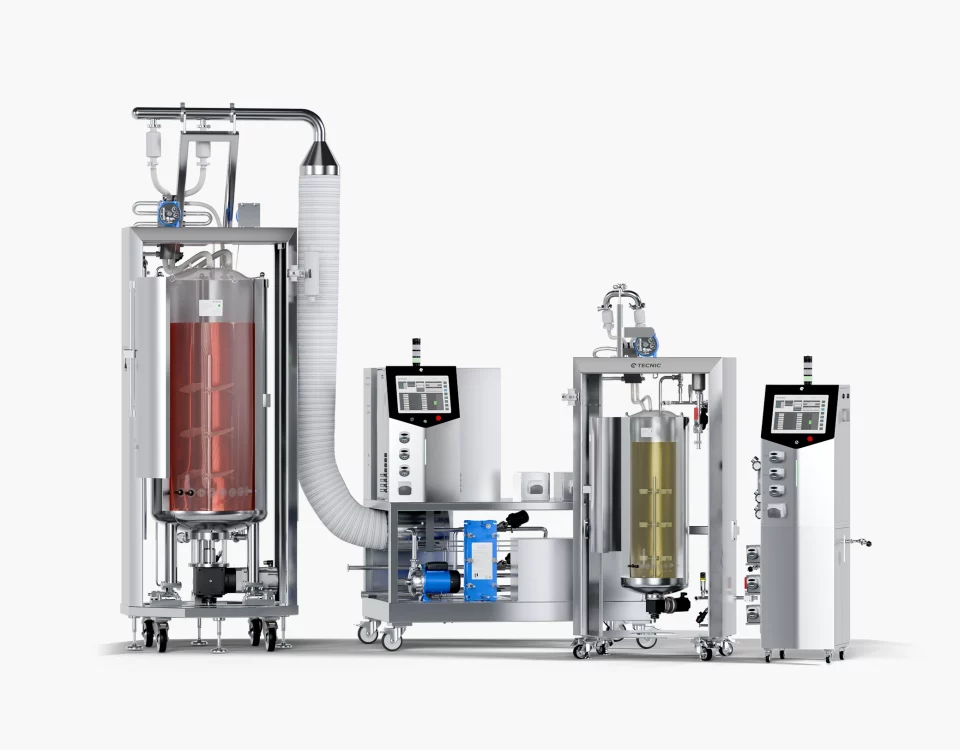
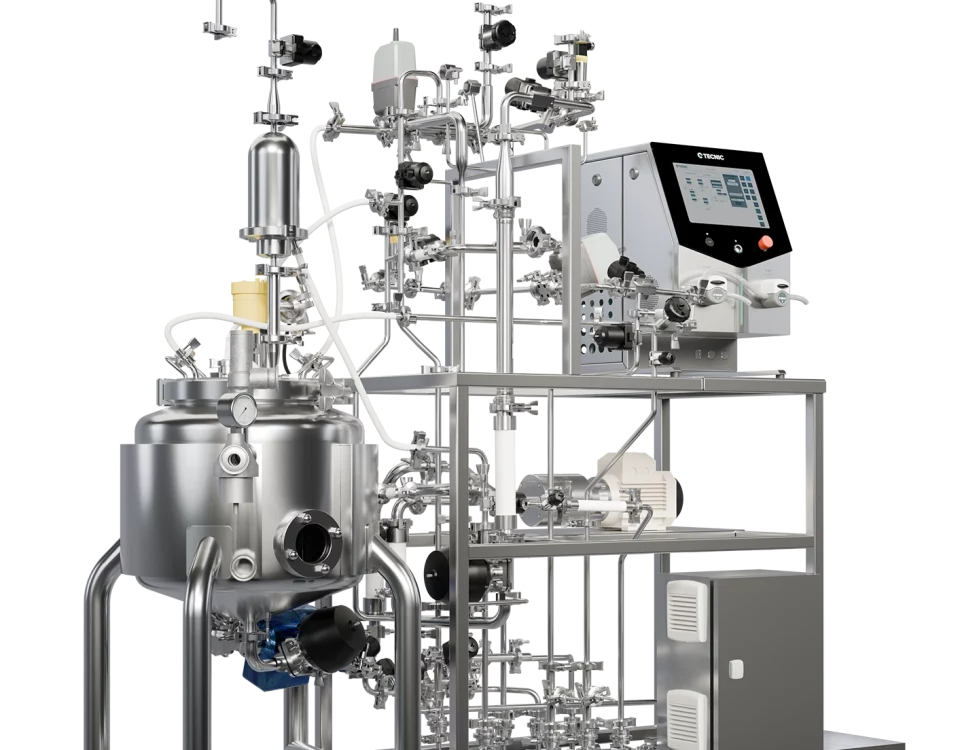
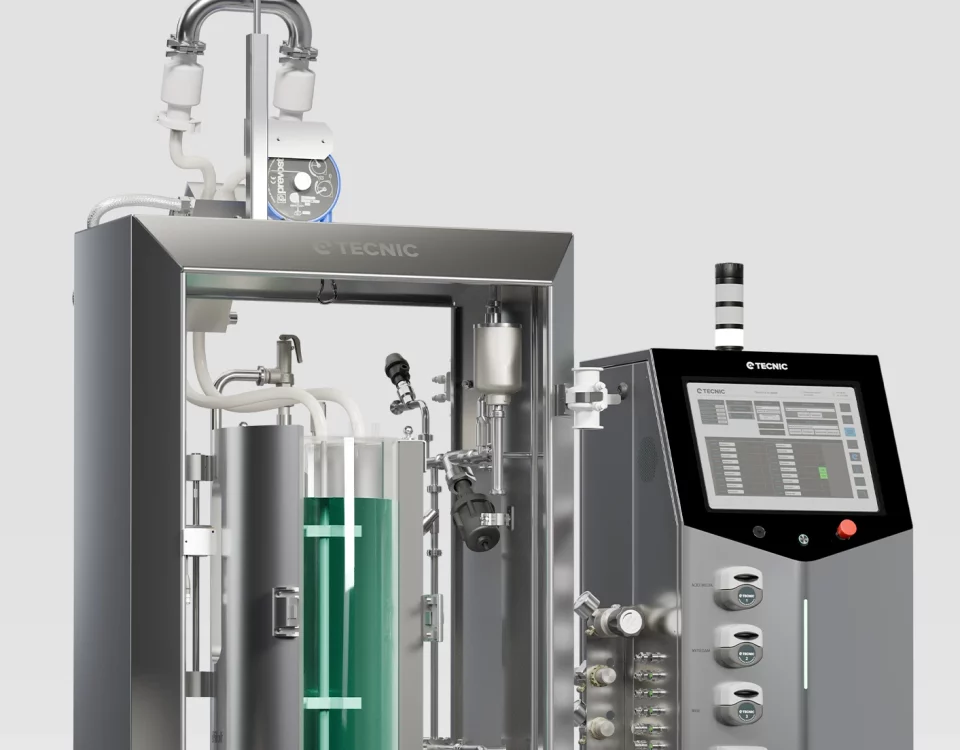
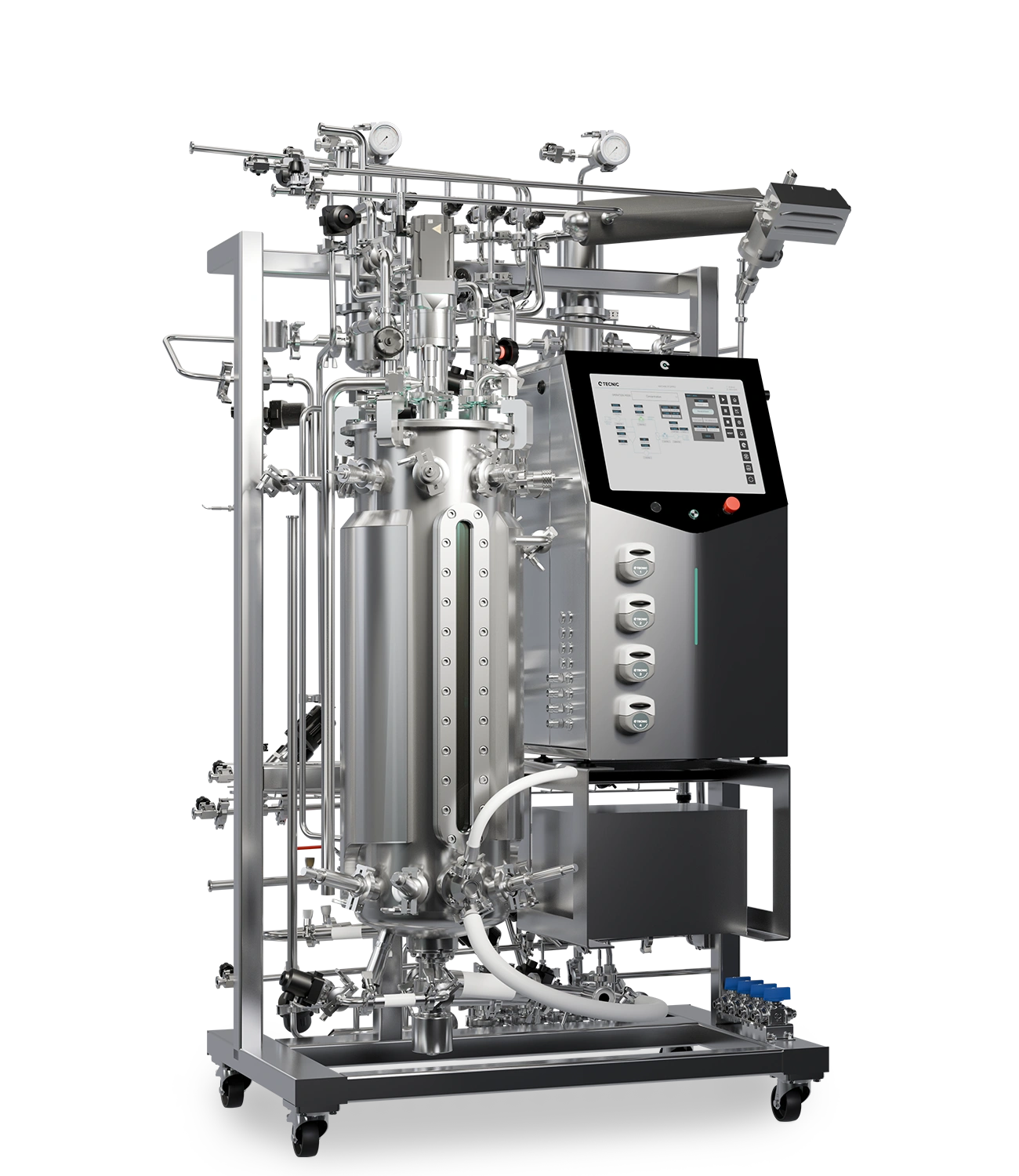
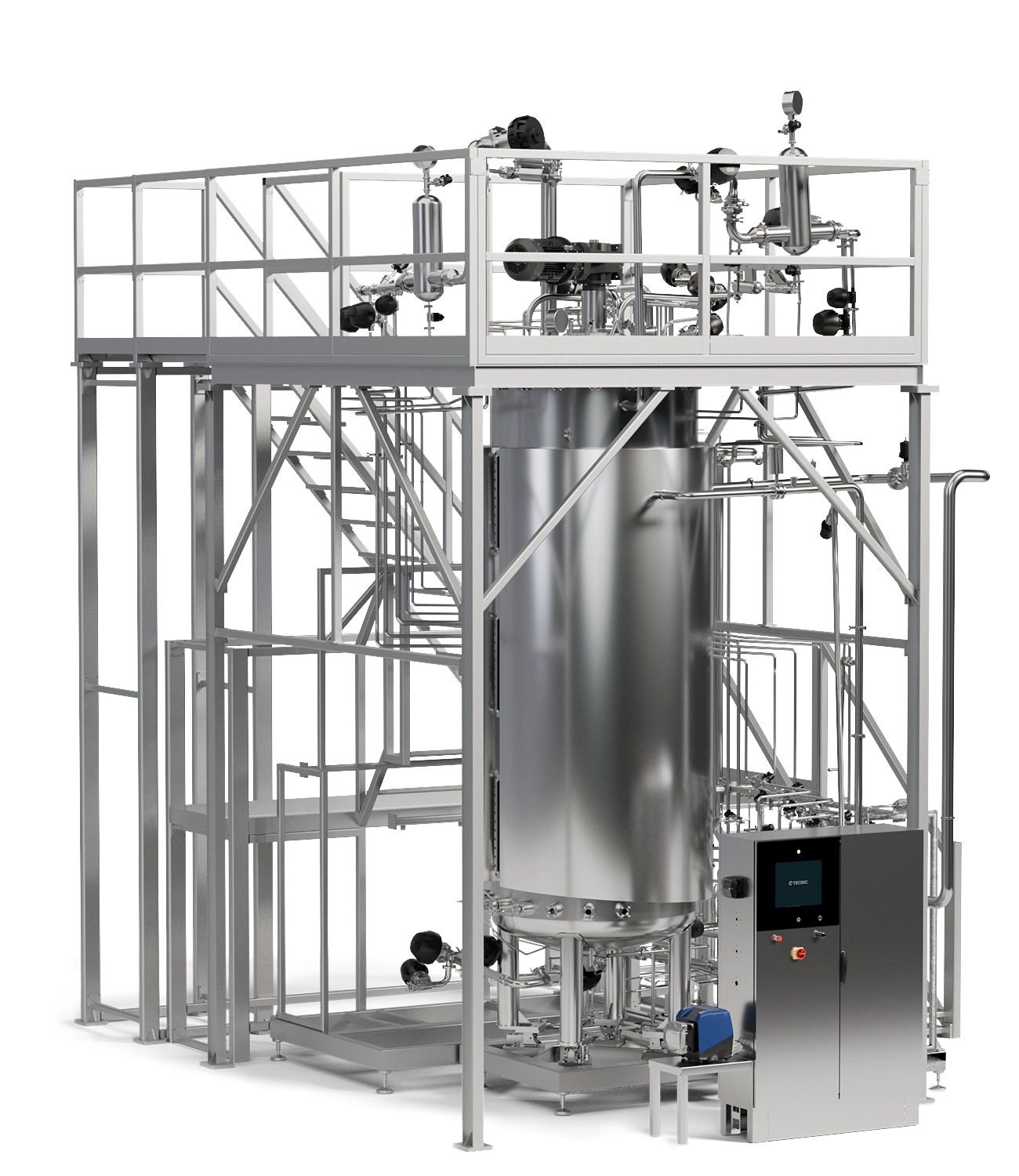
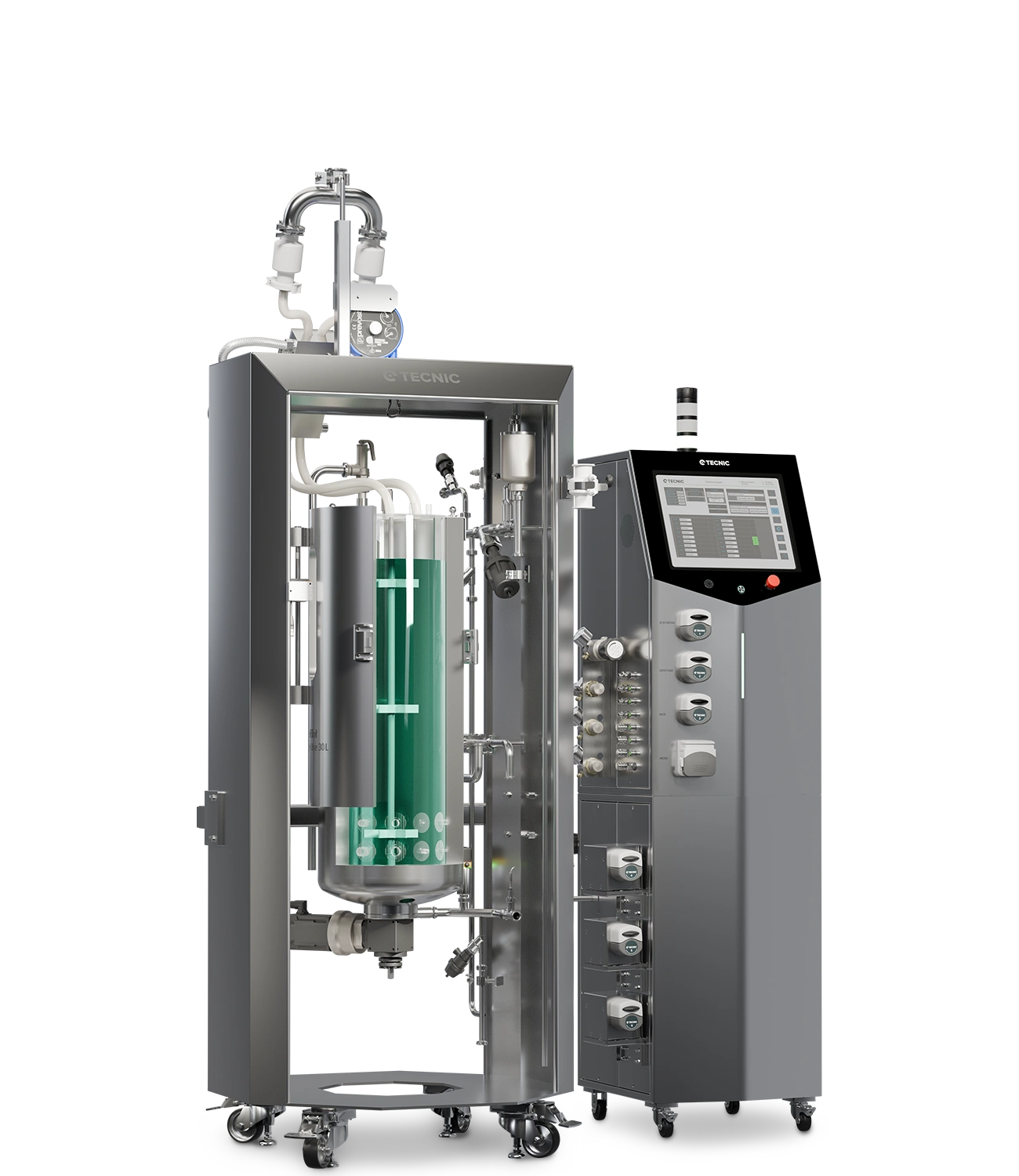
In biotech laboratories, that usually means combining different kinds of equipment in one coherent workflow: bioreactors for controlled cultivation, TFF systems for concentration and purification, and vessels or supplies that support storage, handling and process flexibility.
The strongest lab setup is not the one with the most equipment, it is the one where each tool has a clear role in the research workflow.
What lab equipment really needs to do
In research, equipment should help create controlled, repeatable conditions. That can mean maintaining stable temperature, pH and oxygenation in a culture, improving purification yield in a TFF step, or simply making the handling of fluids and vessels more practical and consistent.
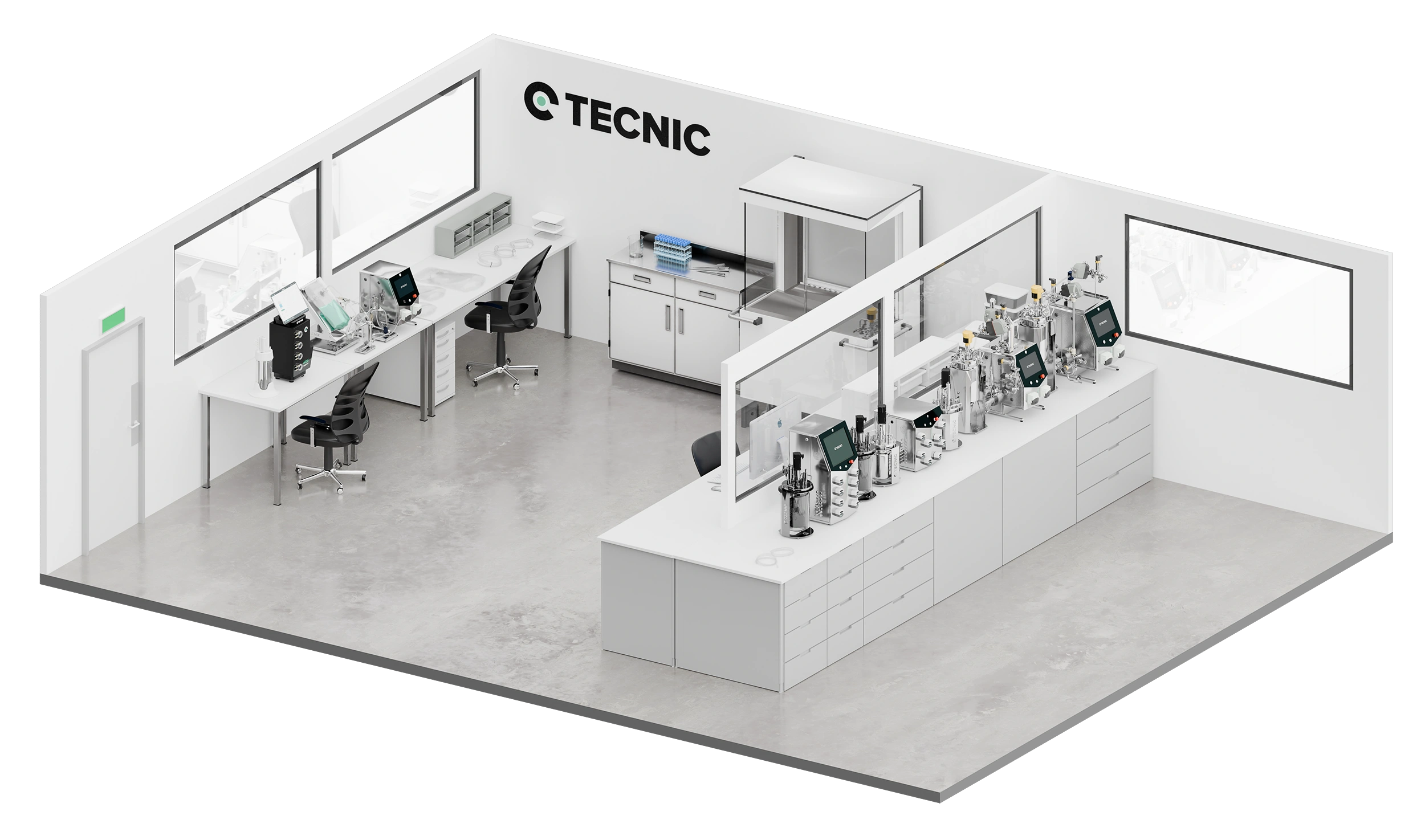
The most useful way to think about laboratory equipment is not as isolated tools, but as a process path. A bioreactor, a filtration unit and a vessel system each solve a different problem, and the overall workflow becomes stronger when those roles connect naturally.
A good lab setup should make experiments more controlled, more understandable and easier to repeat.
Core equipment categories in a biotech lab
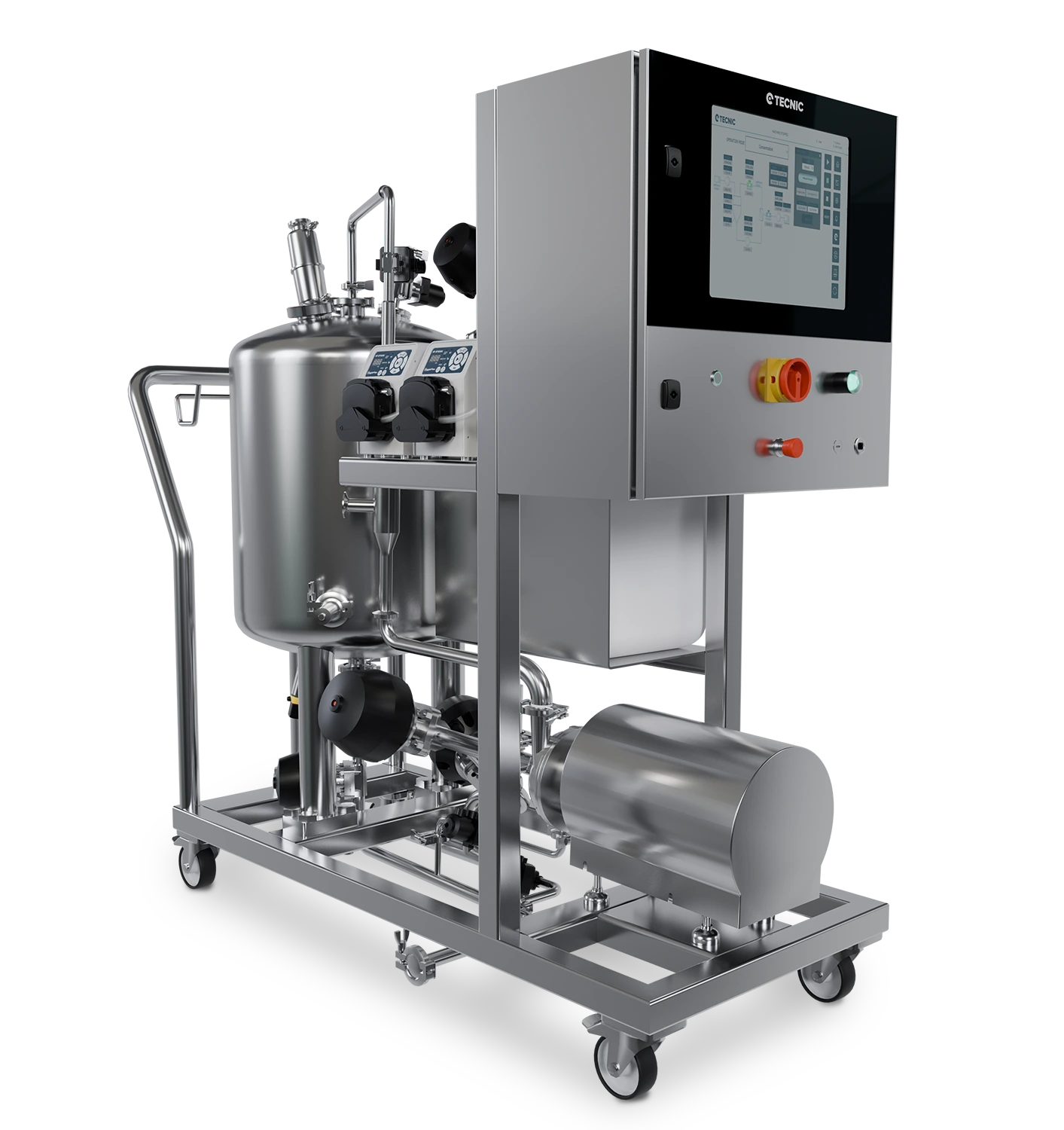
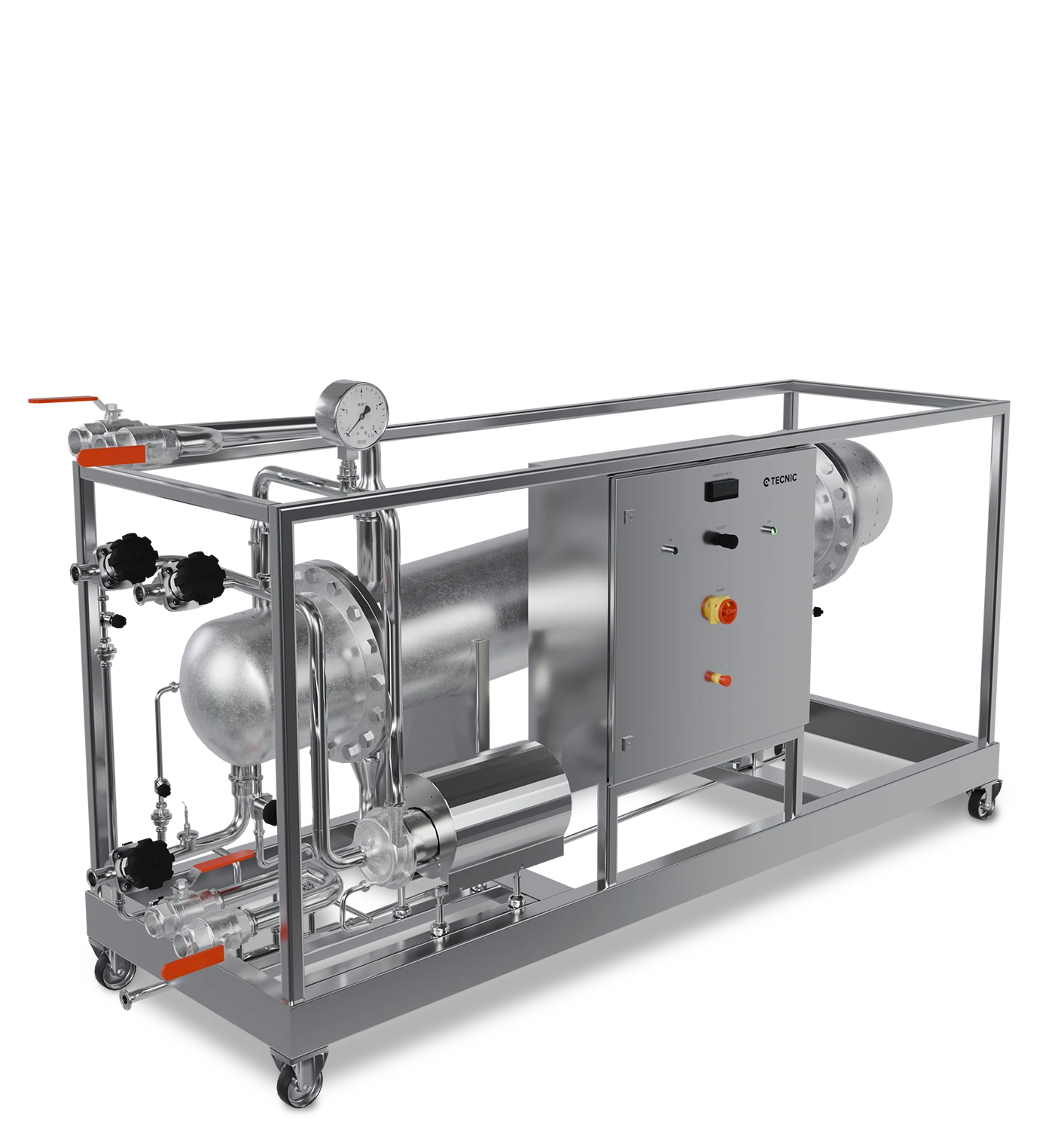
A useful laboratory setup usually revolves around three main blocks: cultivation, purification and handling. That is why bioreactors, TFF systems and supporting vessels or supplies work well together in one research environment.
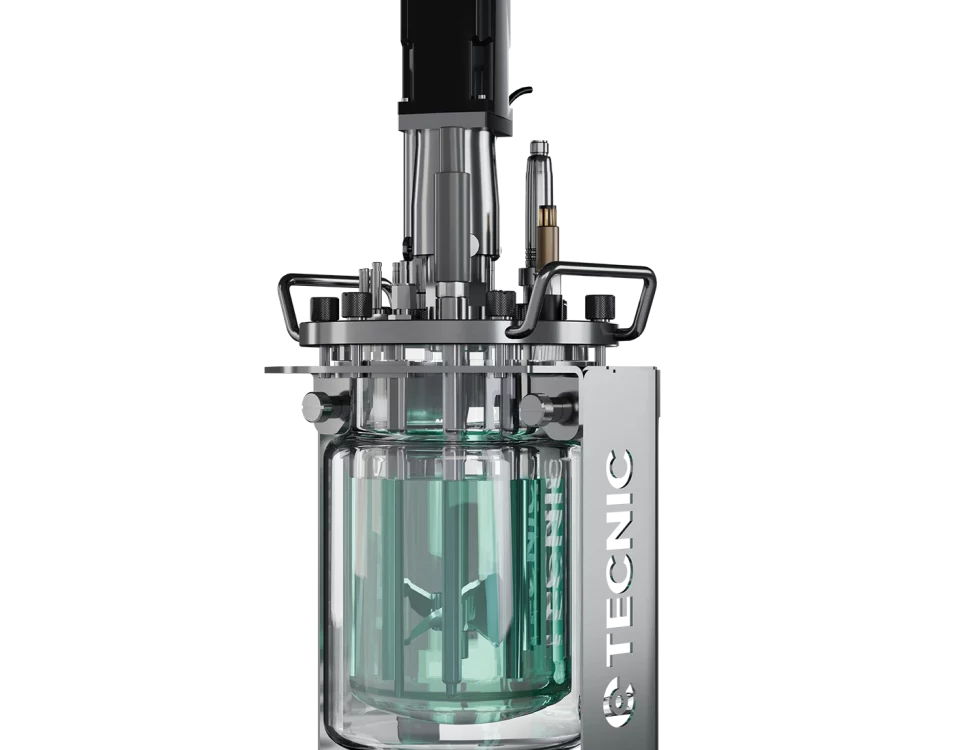
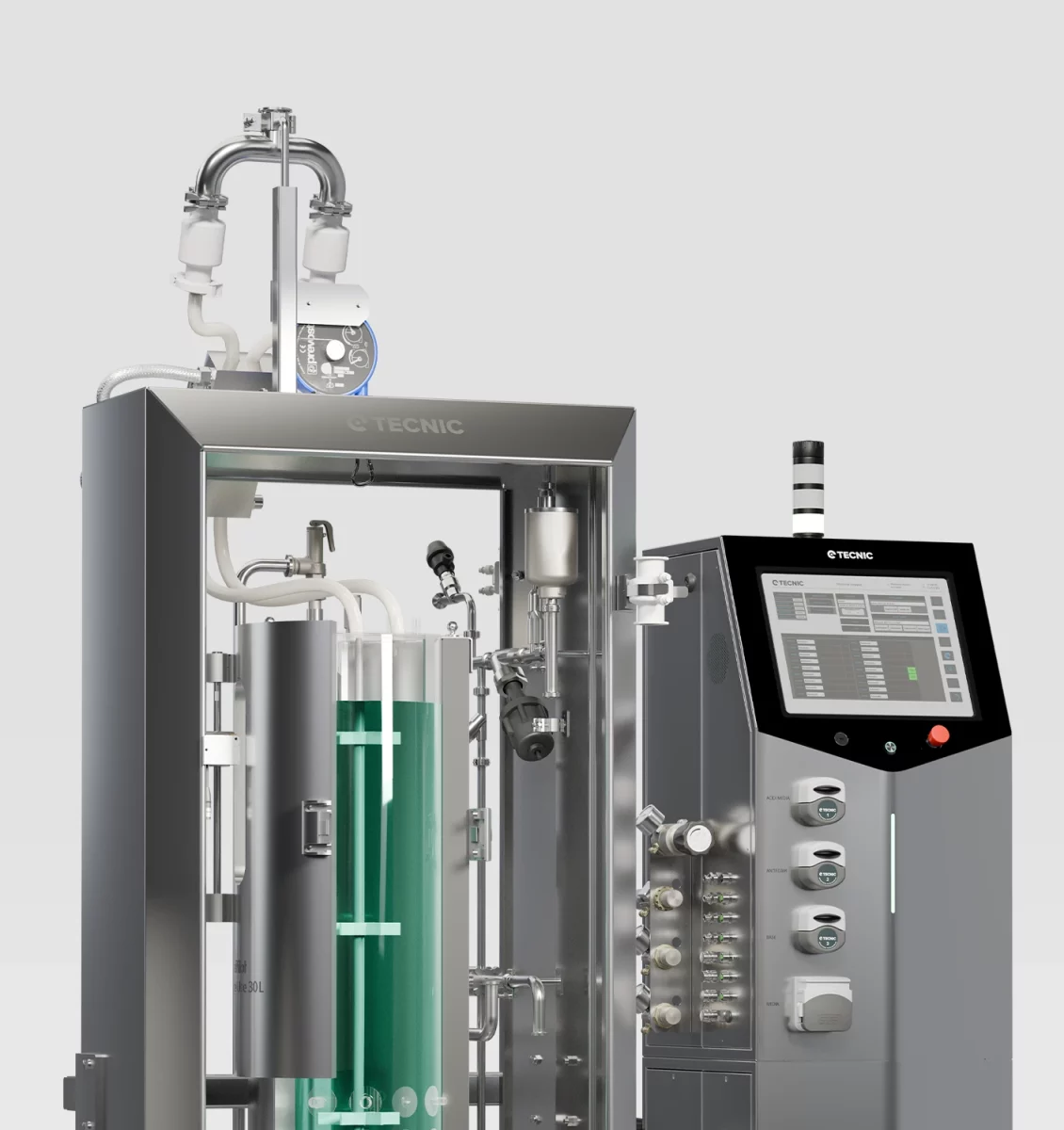
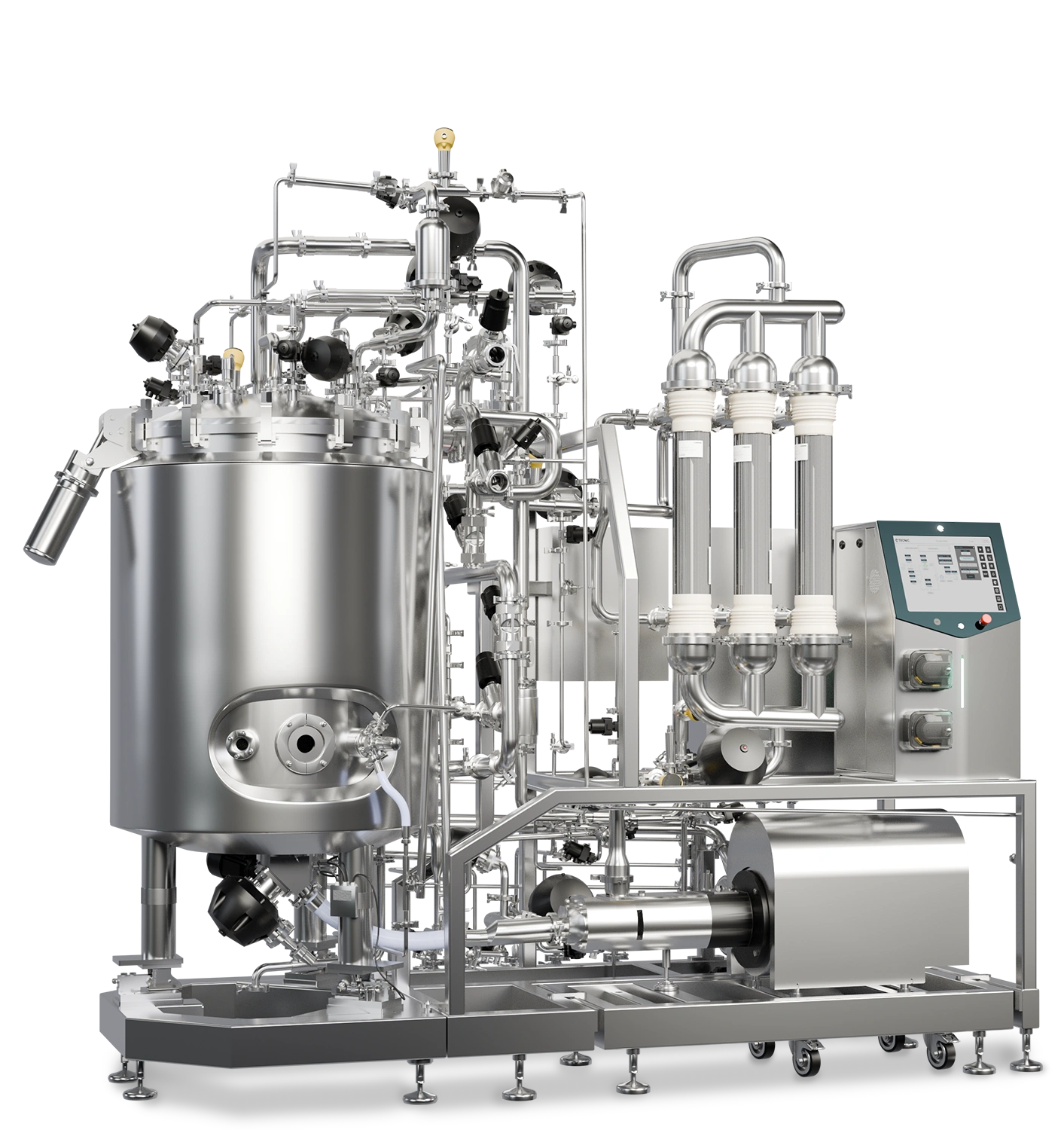
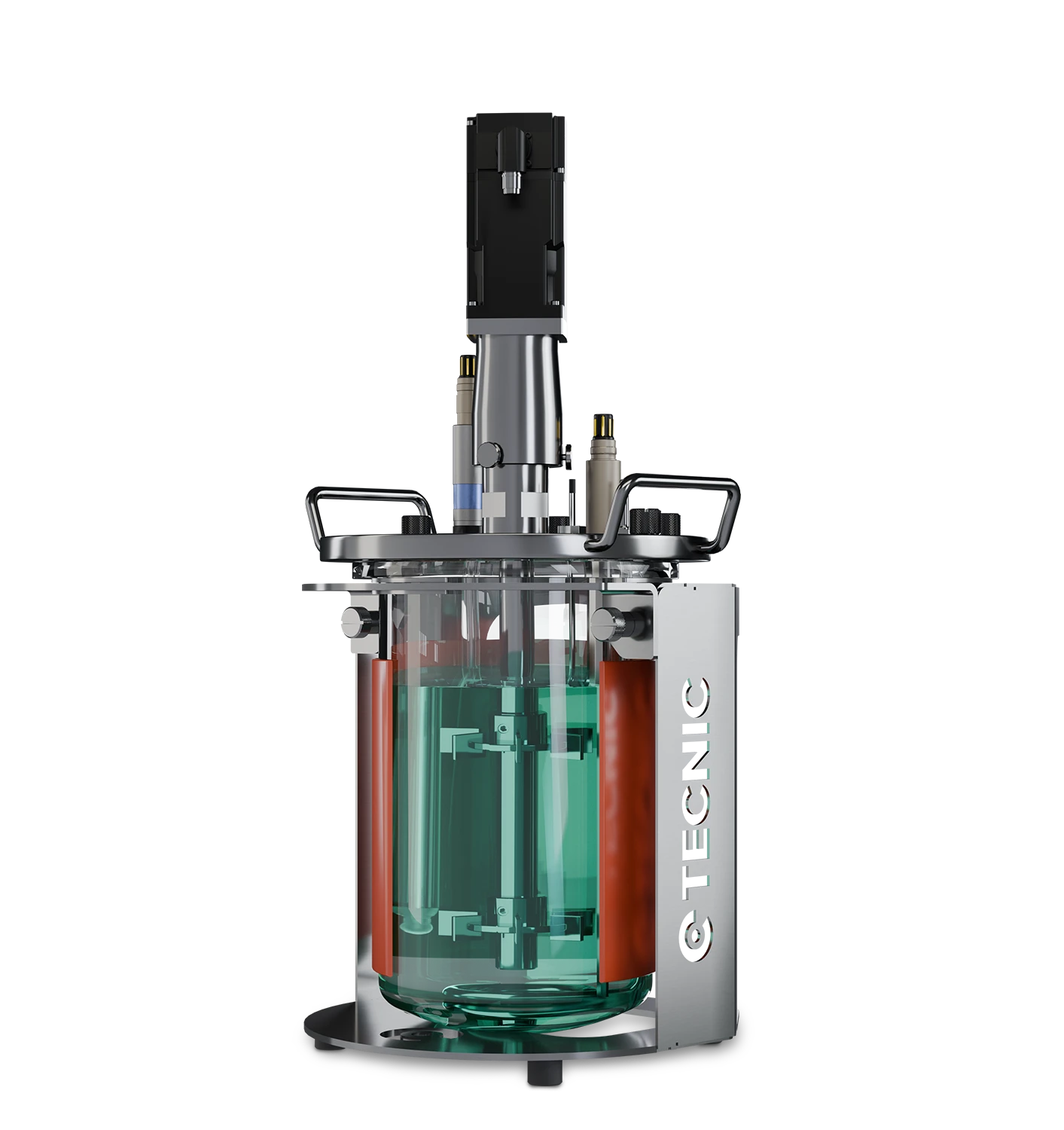
Used for controlled cultivation and process development, especially when temperature, pH and oxygenation need tight monitoring.
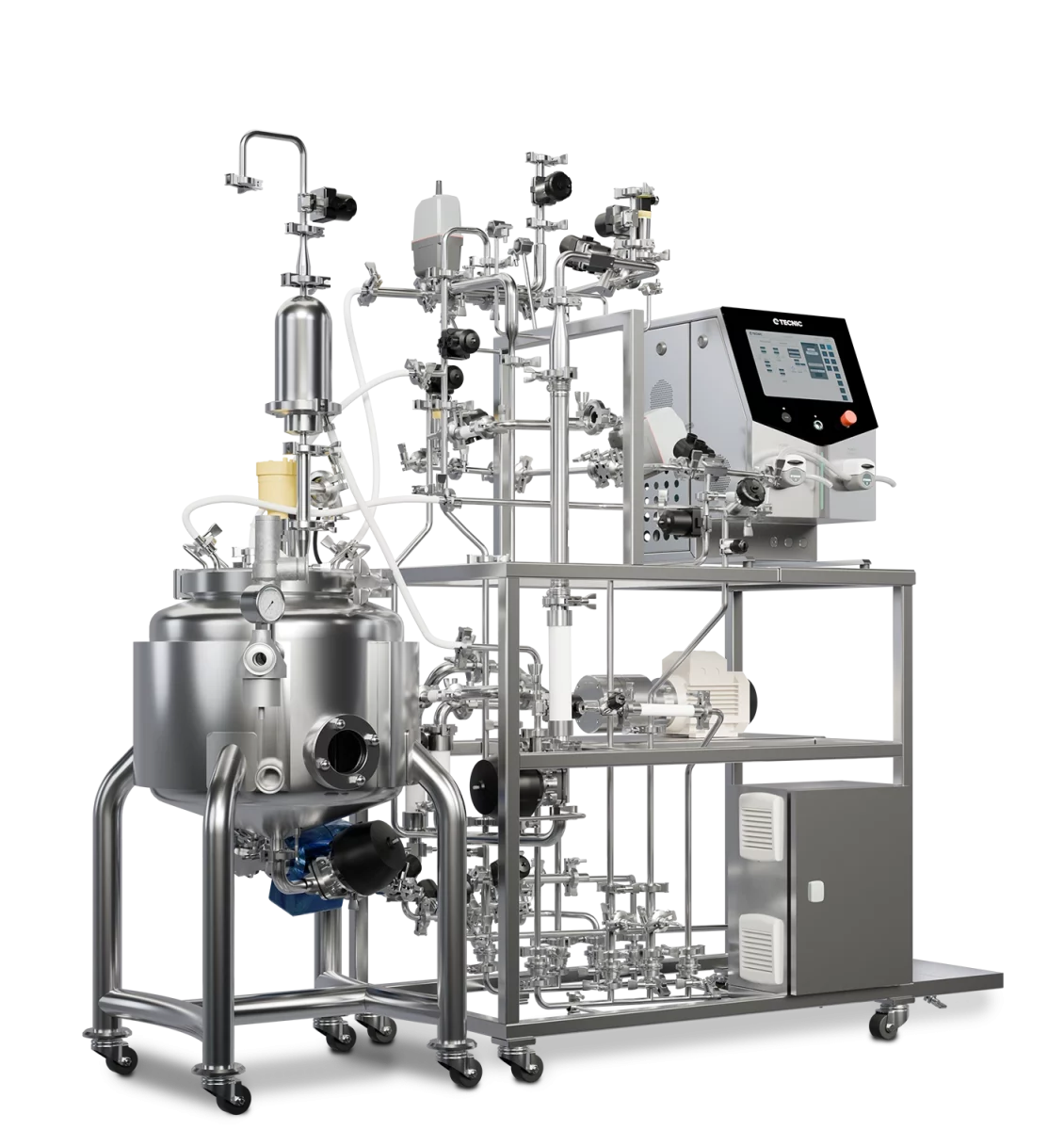
Used for purification and concentration of biomolecules, helping improve downstream workflow efficiency.
Support storage, observation, reaction handling and process flexibility at laboratory scale.
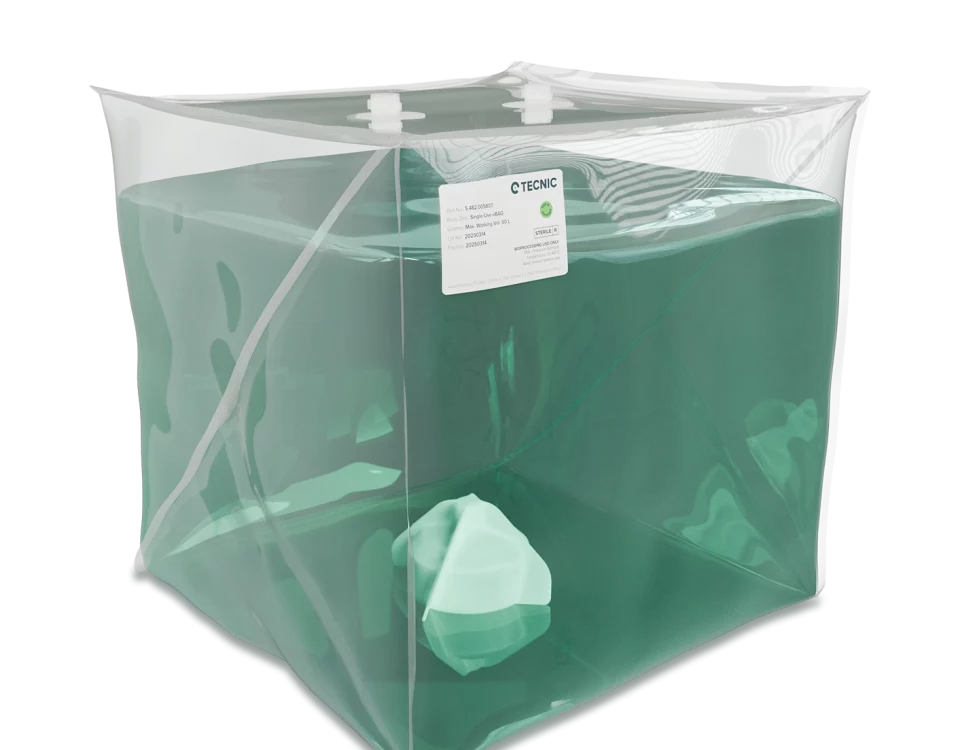
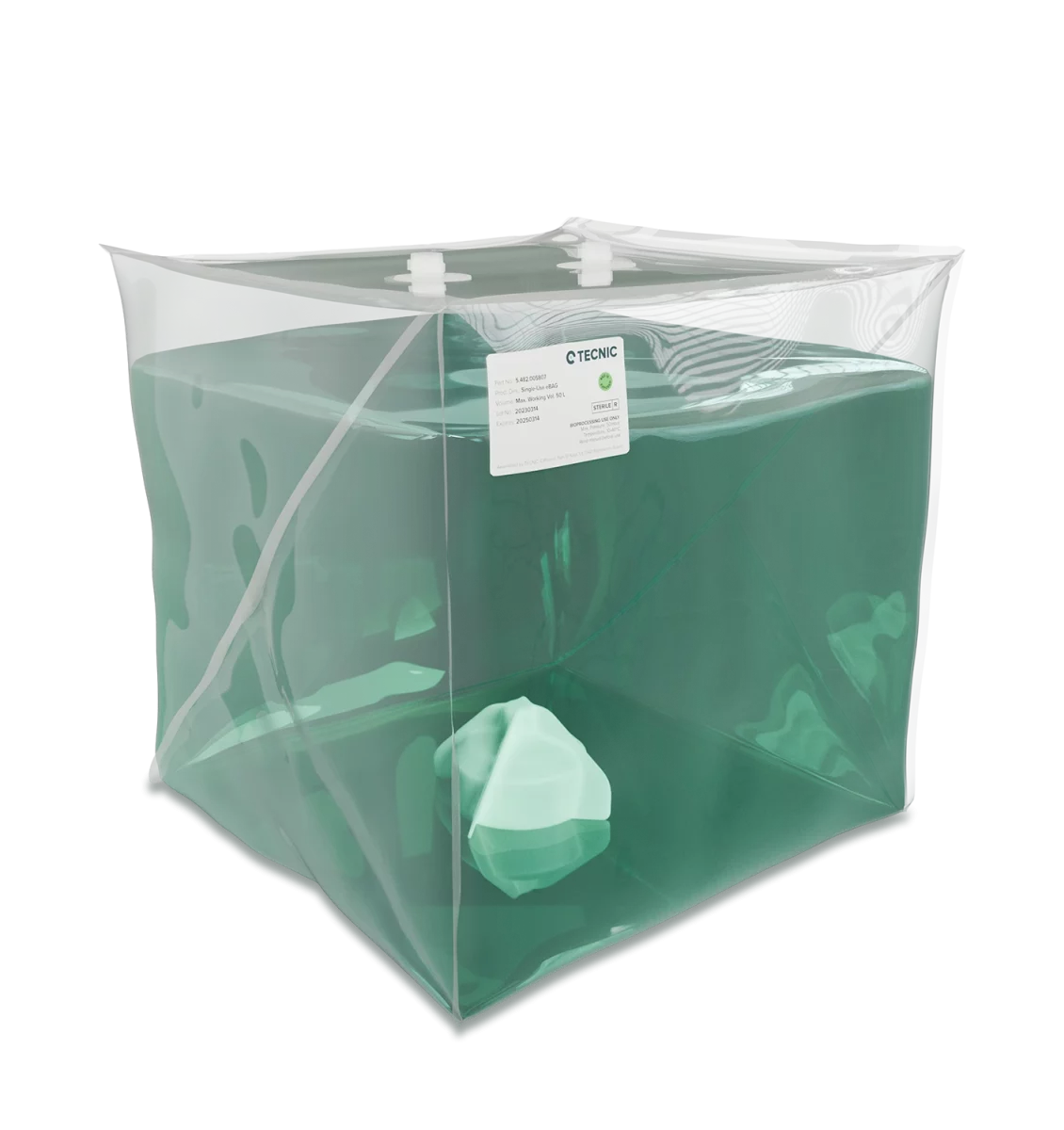
Useful where fluid handling, temporary storage and fast changeover become part of the lab routine.
Why bioreactors matter in the lab
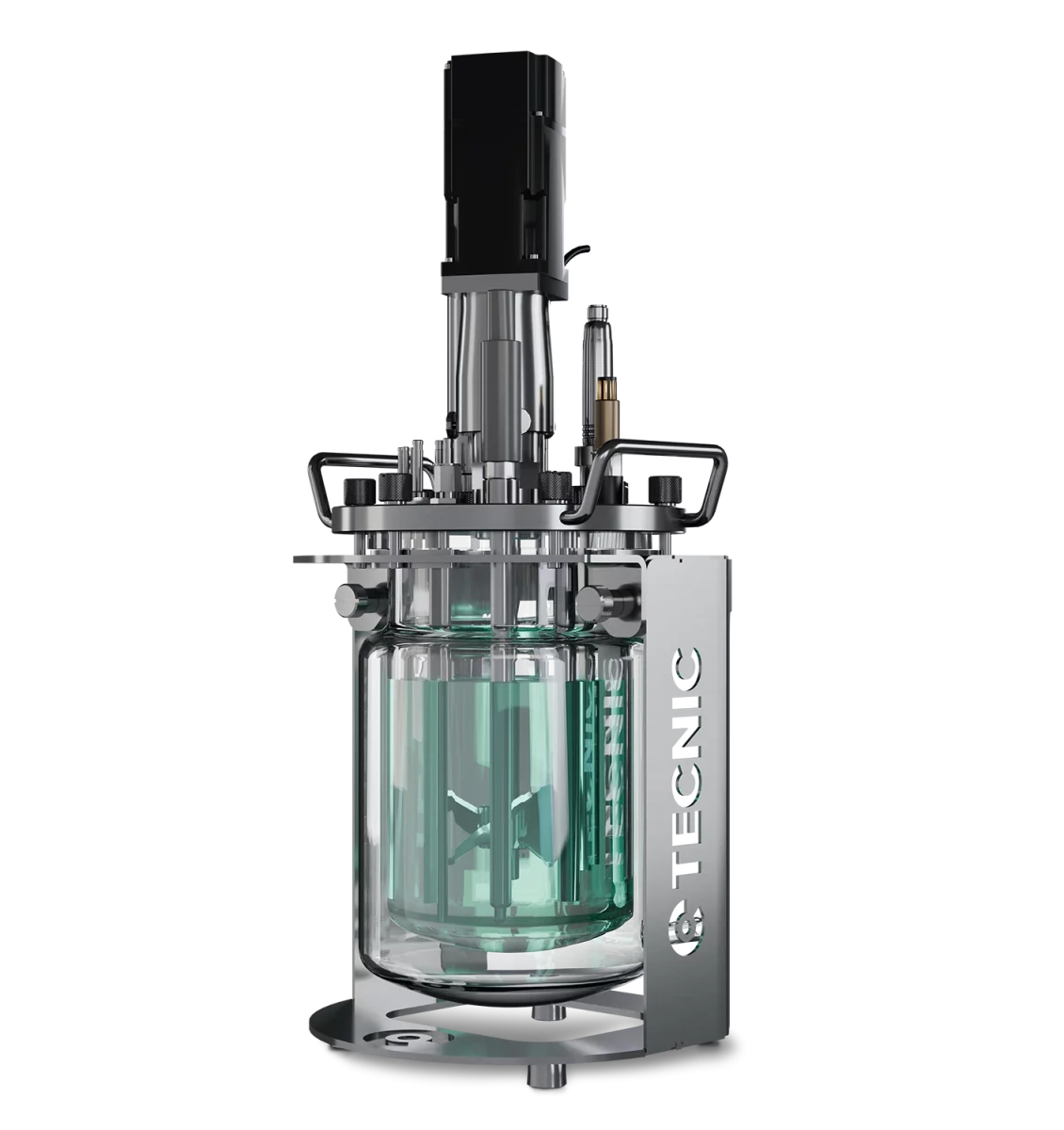
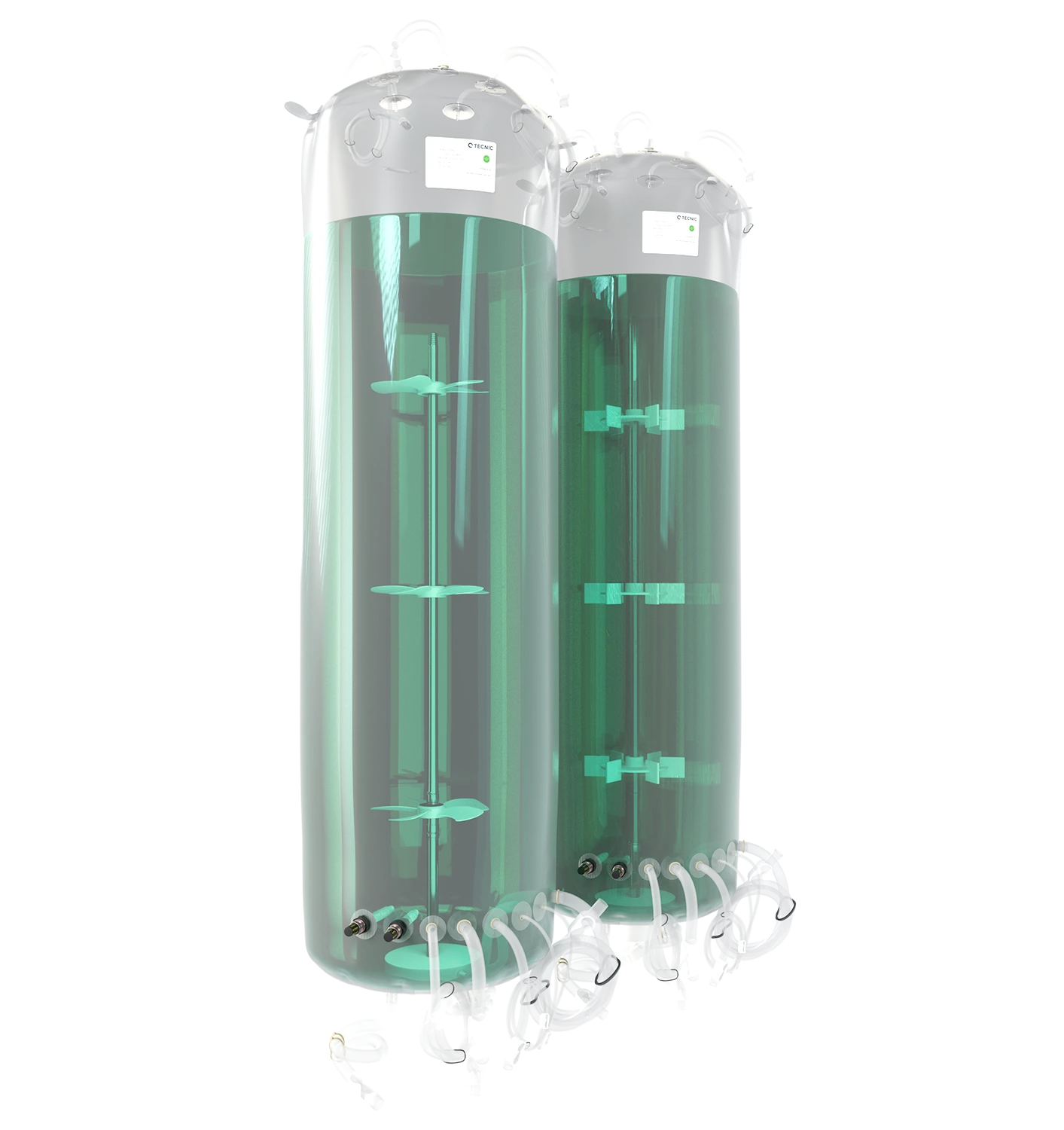
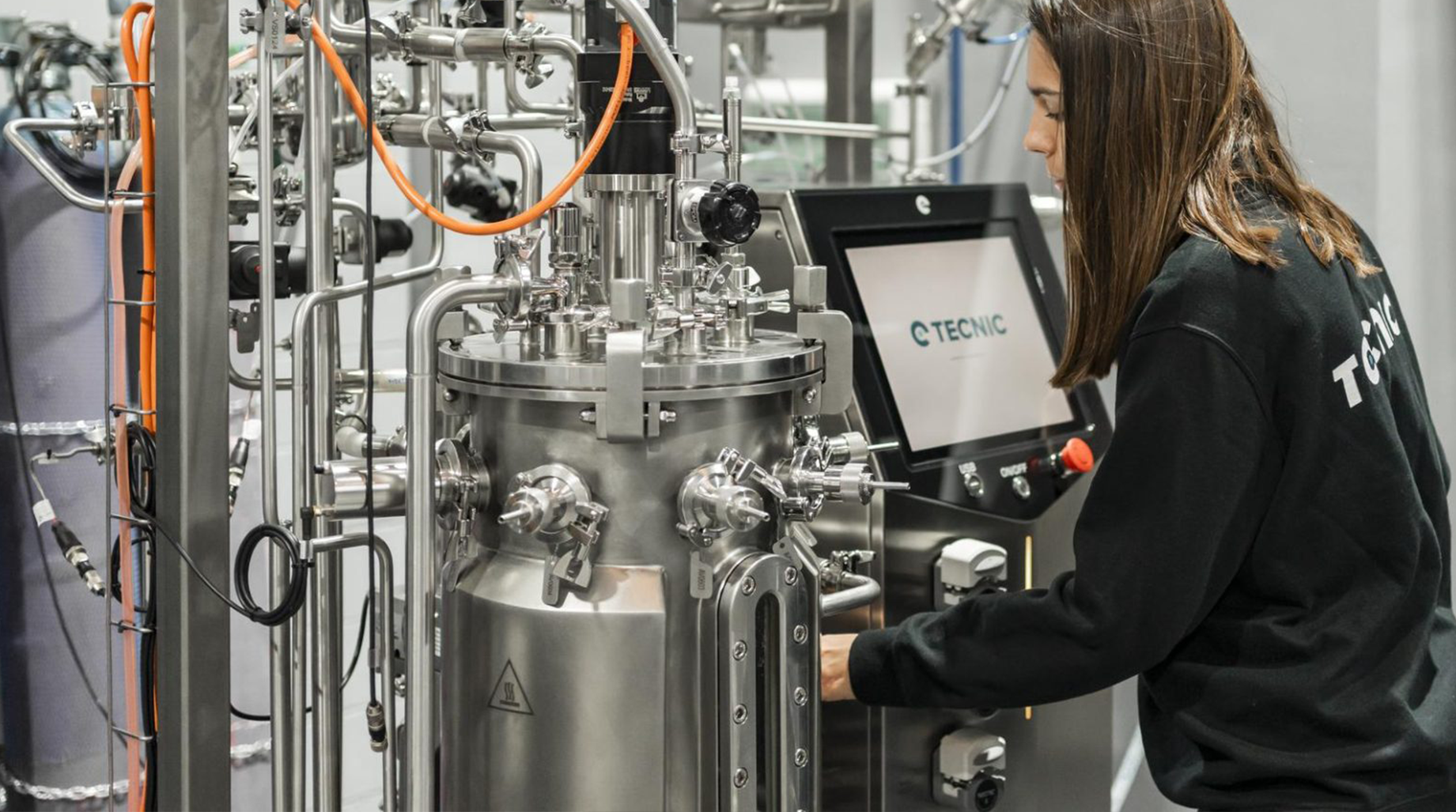
Bioreactors matter because they make the culture environment more controlled. Instead of working with more passive cultivation formats, teams can monitor and adjust key variables such as temperature, pH and oxygenation in a more structured way.
In many laboratories, the bioreactor is the first point where a biological idea becomes a process. Once culture conditions are monitored and adjusted in a structured way, the work becomes more reproducible and more transferable.
Why TFF matters in research workflows
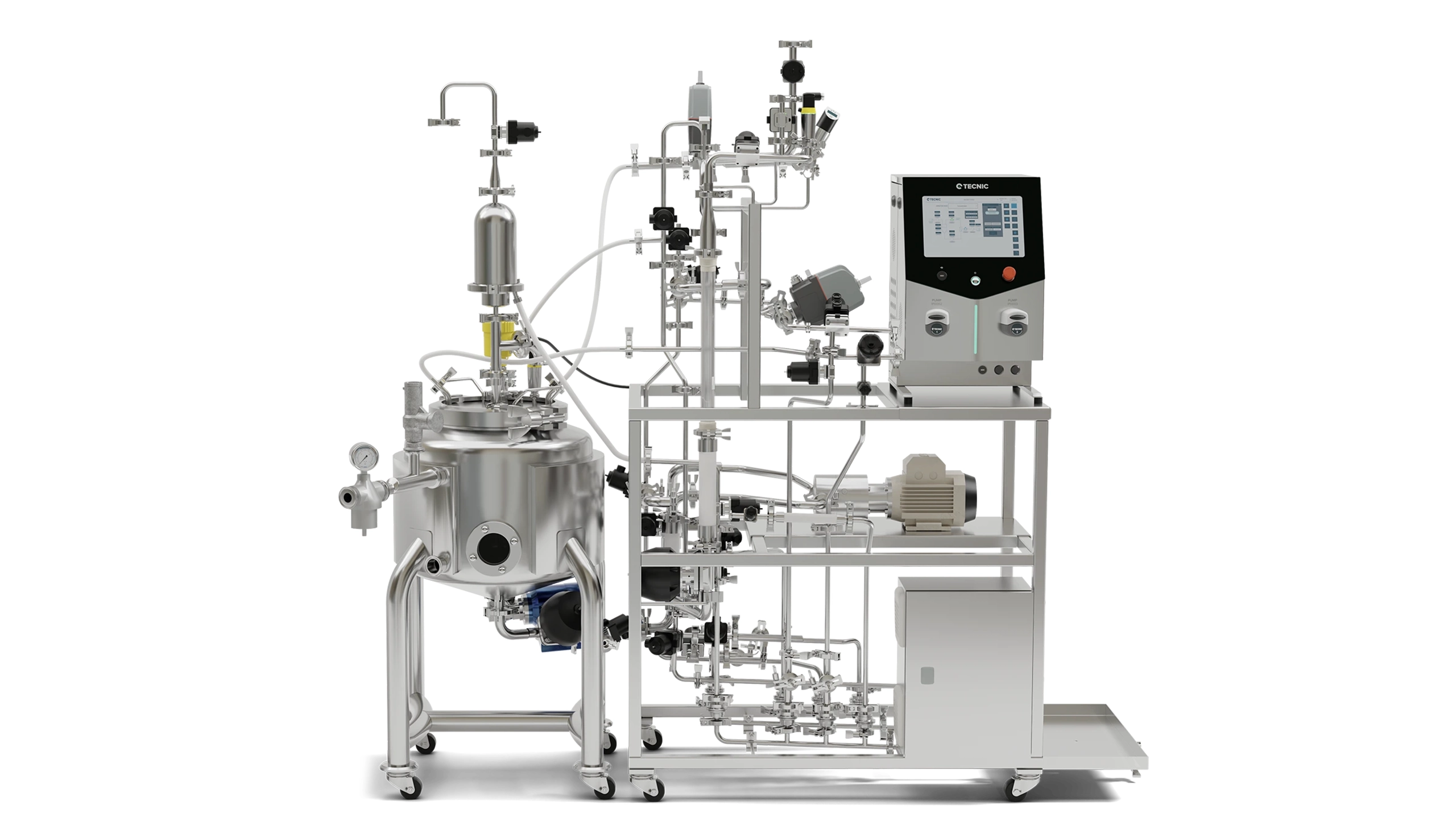
Research is not only upstream. Concentration and purification often become essential very early, especially when teams work with proteins, antibodies or similar biomolecules. That is where TFF systems become especially valuable.
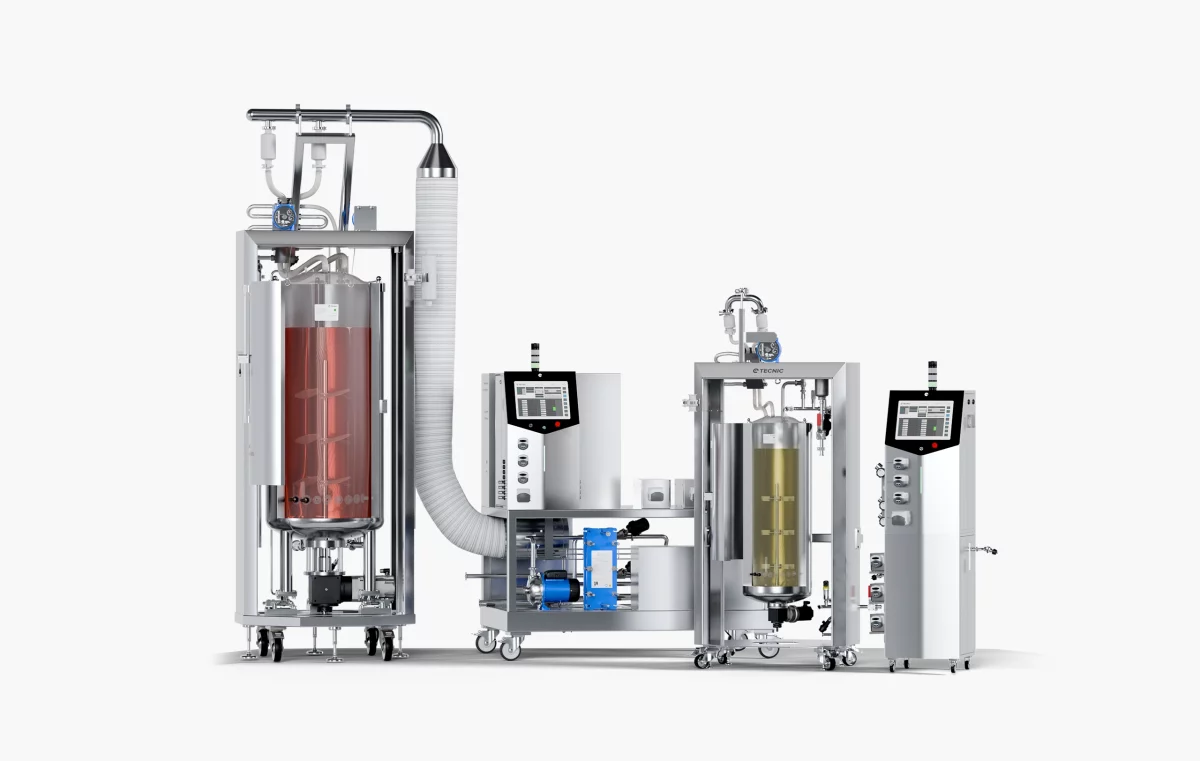
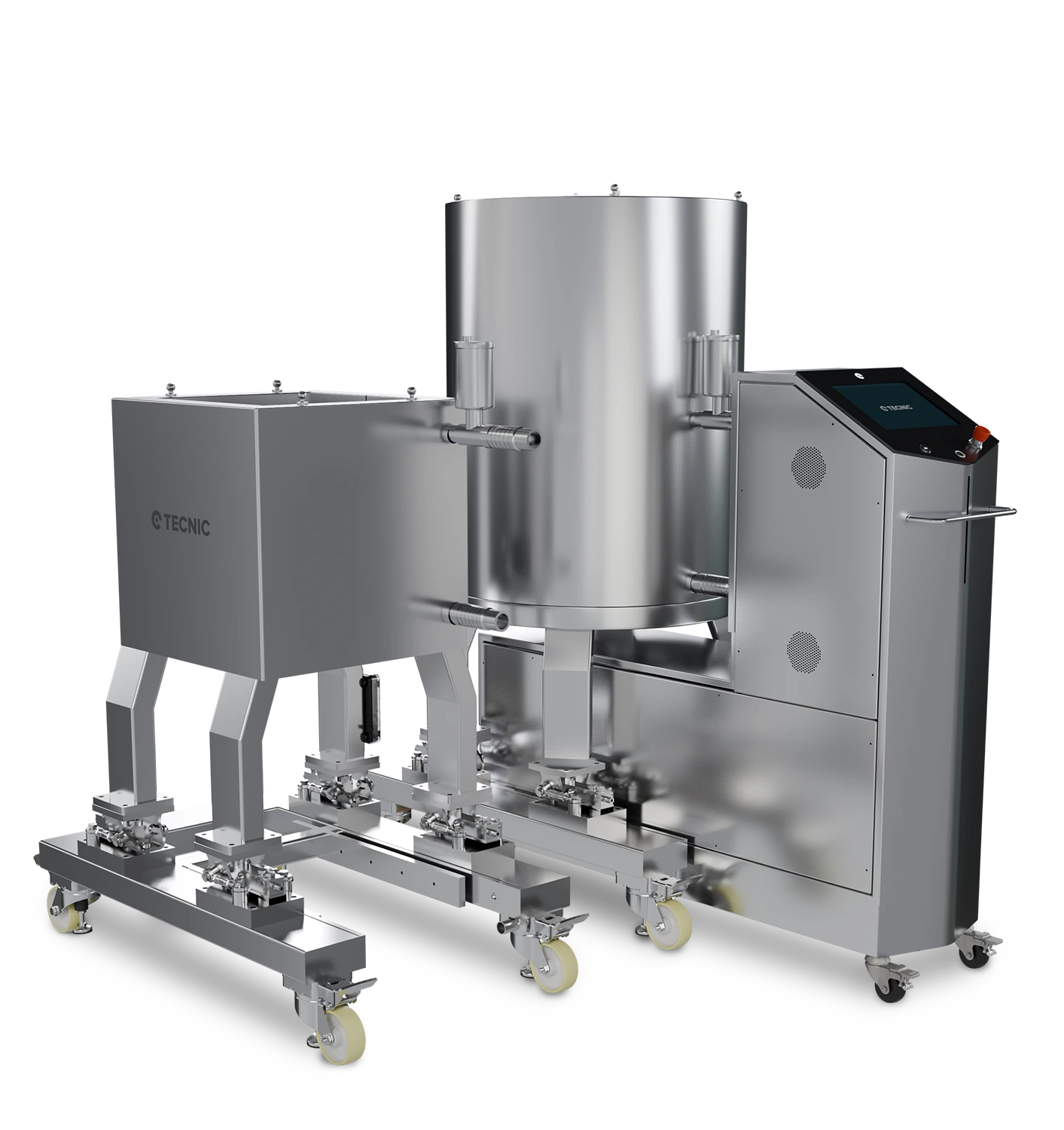
Multi-use TFF
Useful when the lab needs a durable filtration setup for routine concentration and purification tasks.
Single-use TFF
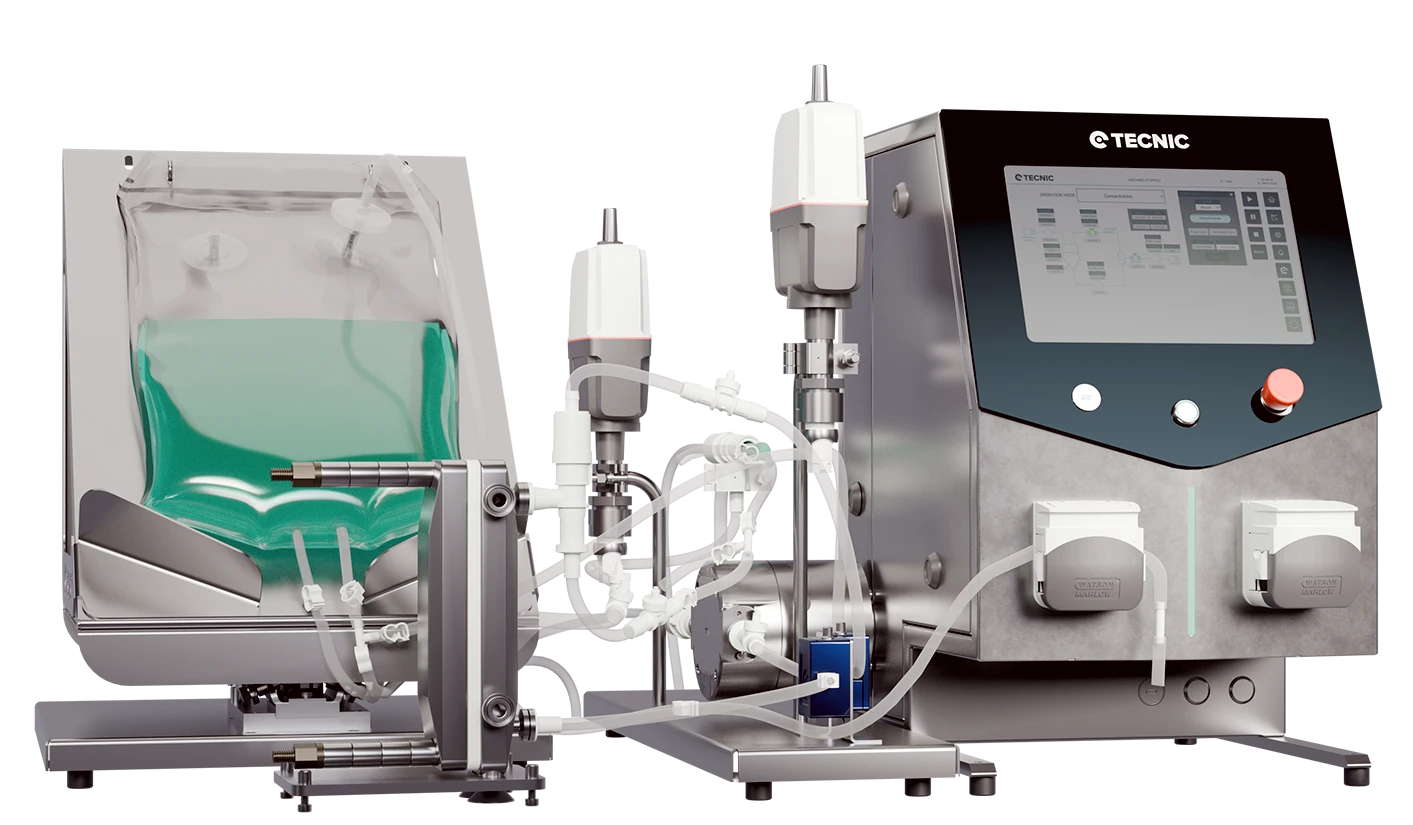
Useful when safety, simplified handling and a more flexible single-use route matter in the lab environment.
Why vessels and supplies matter more than they seem
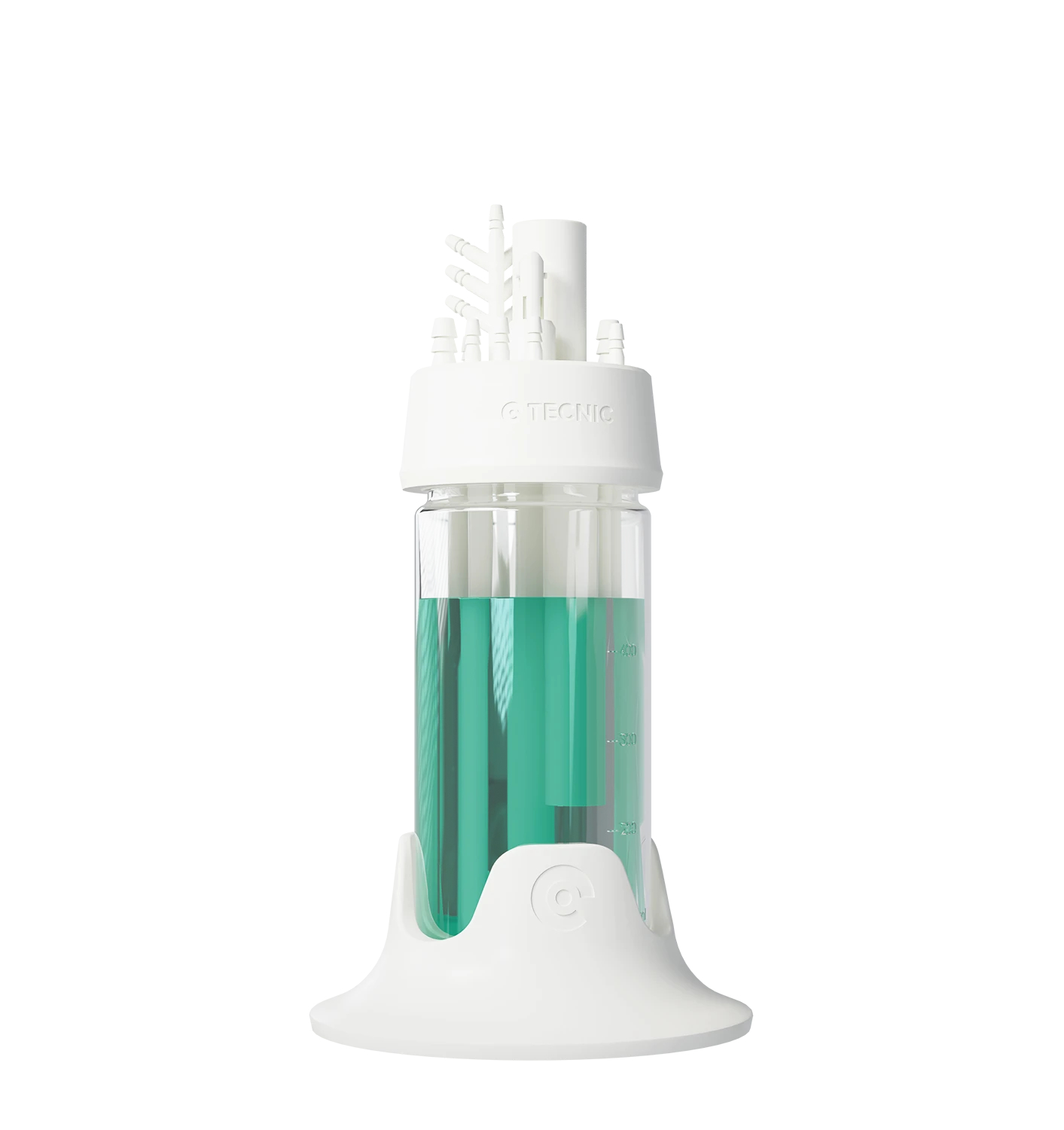
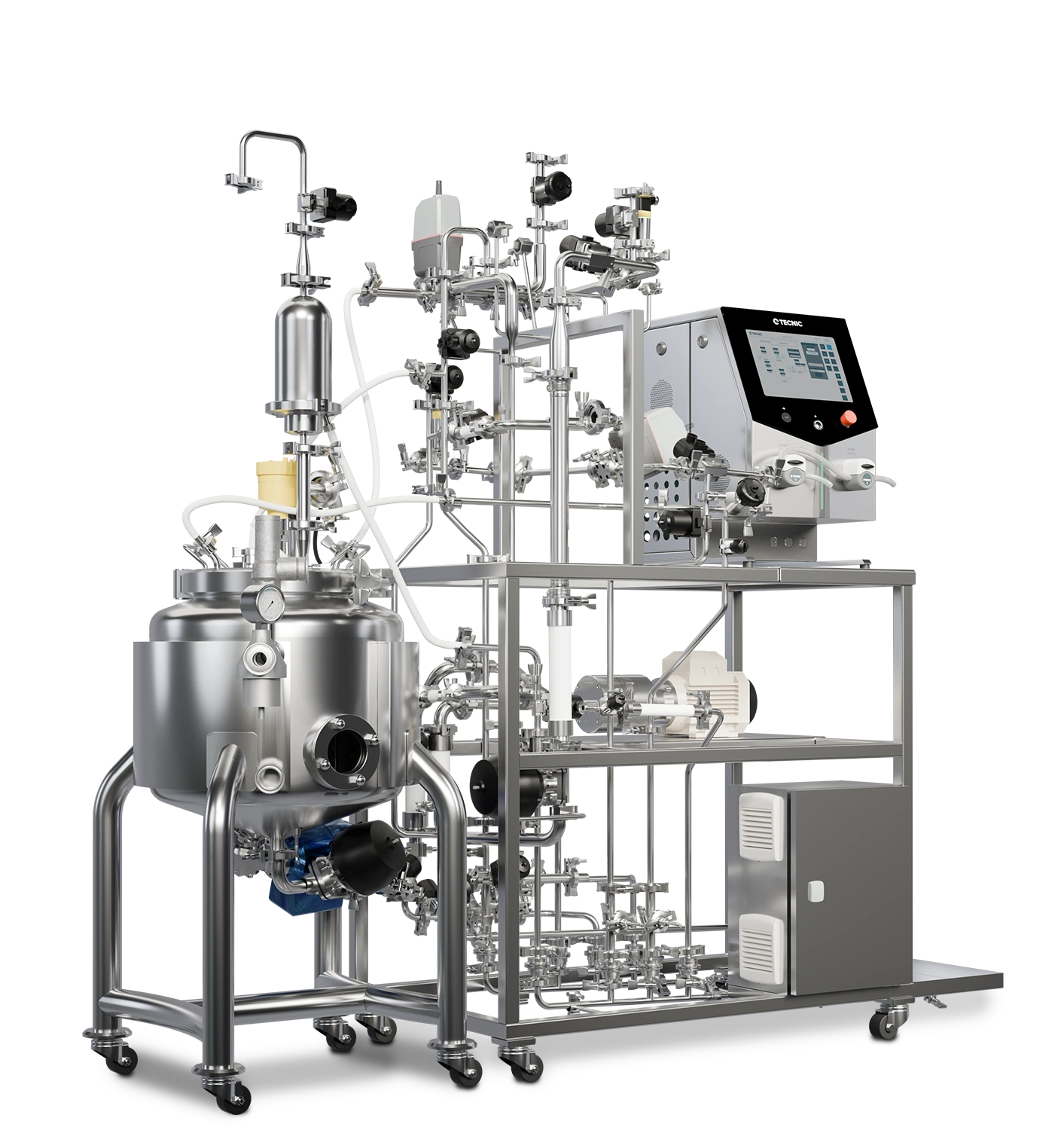
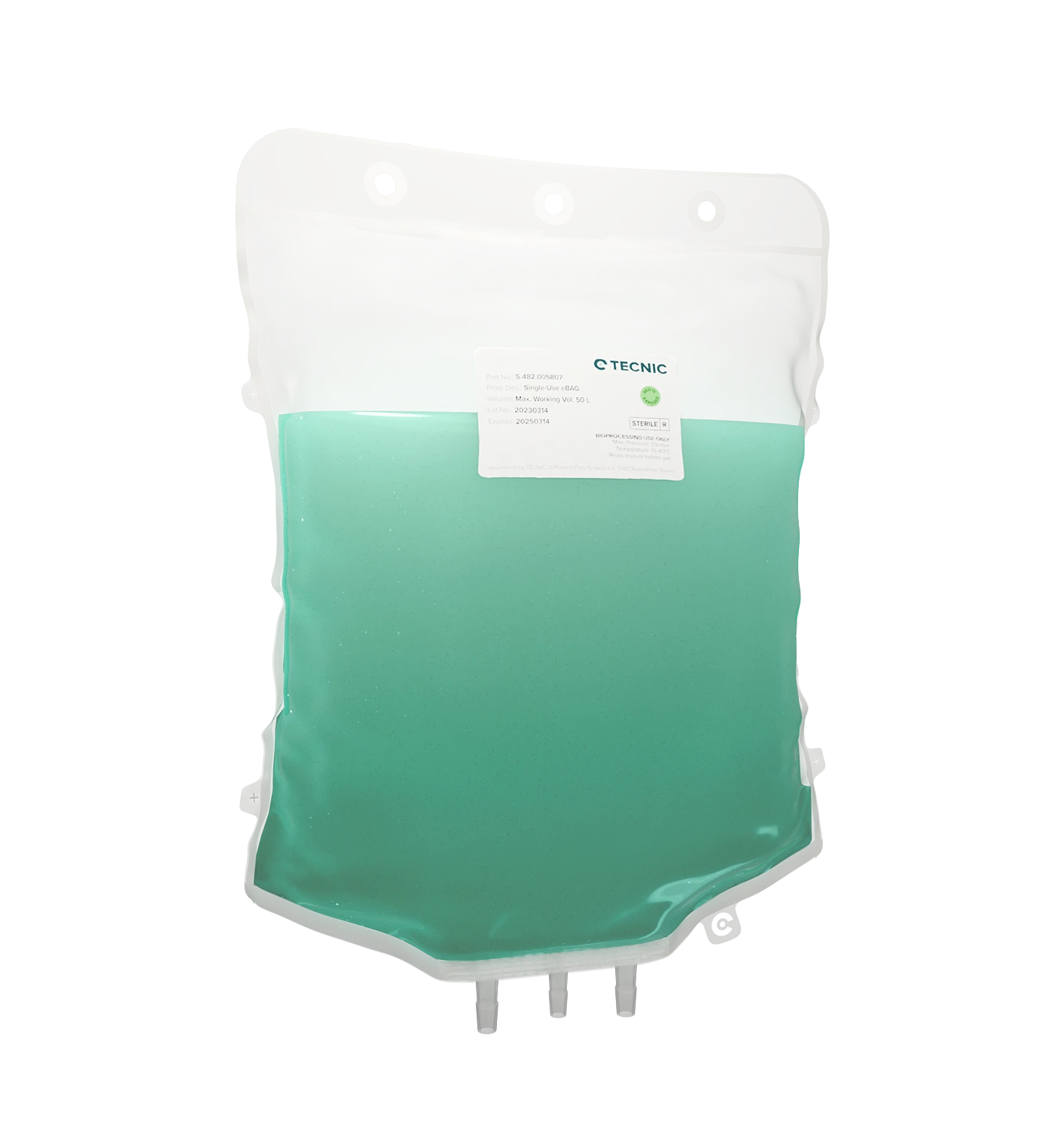
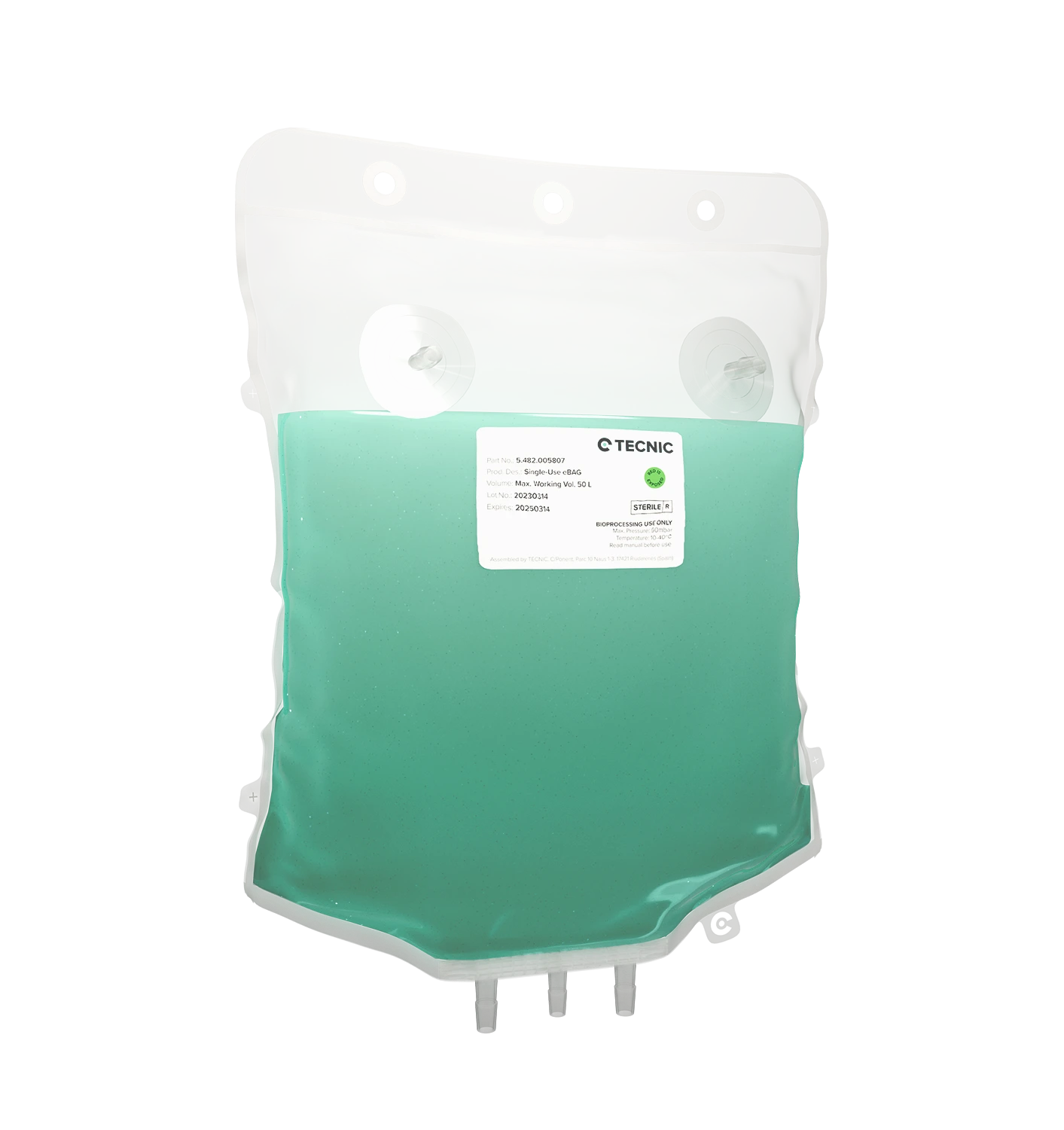
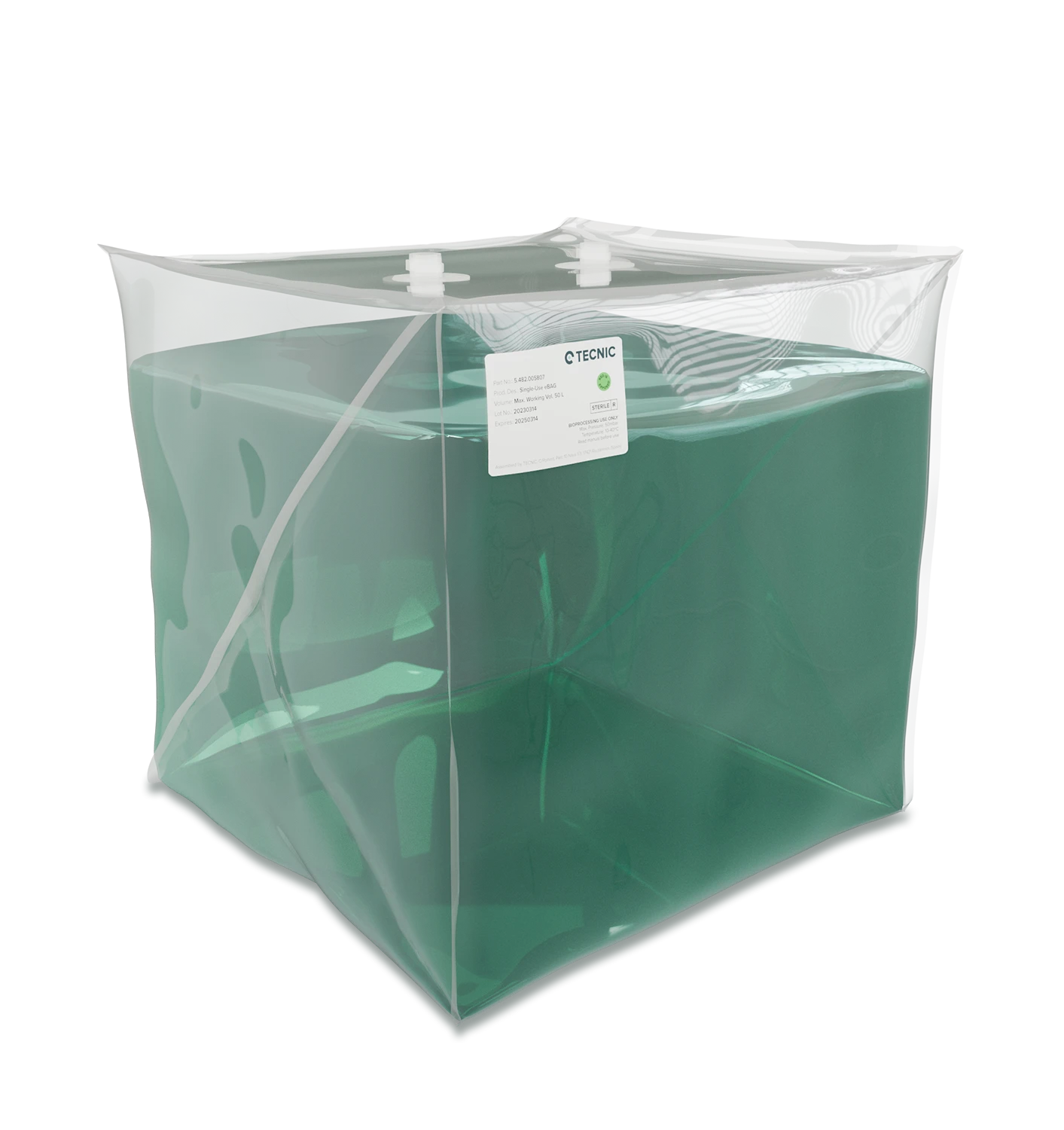
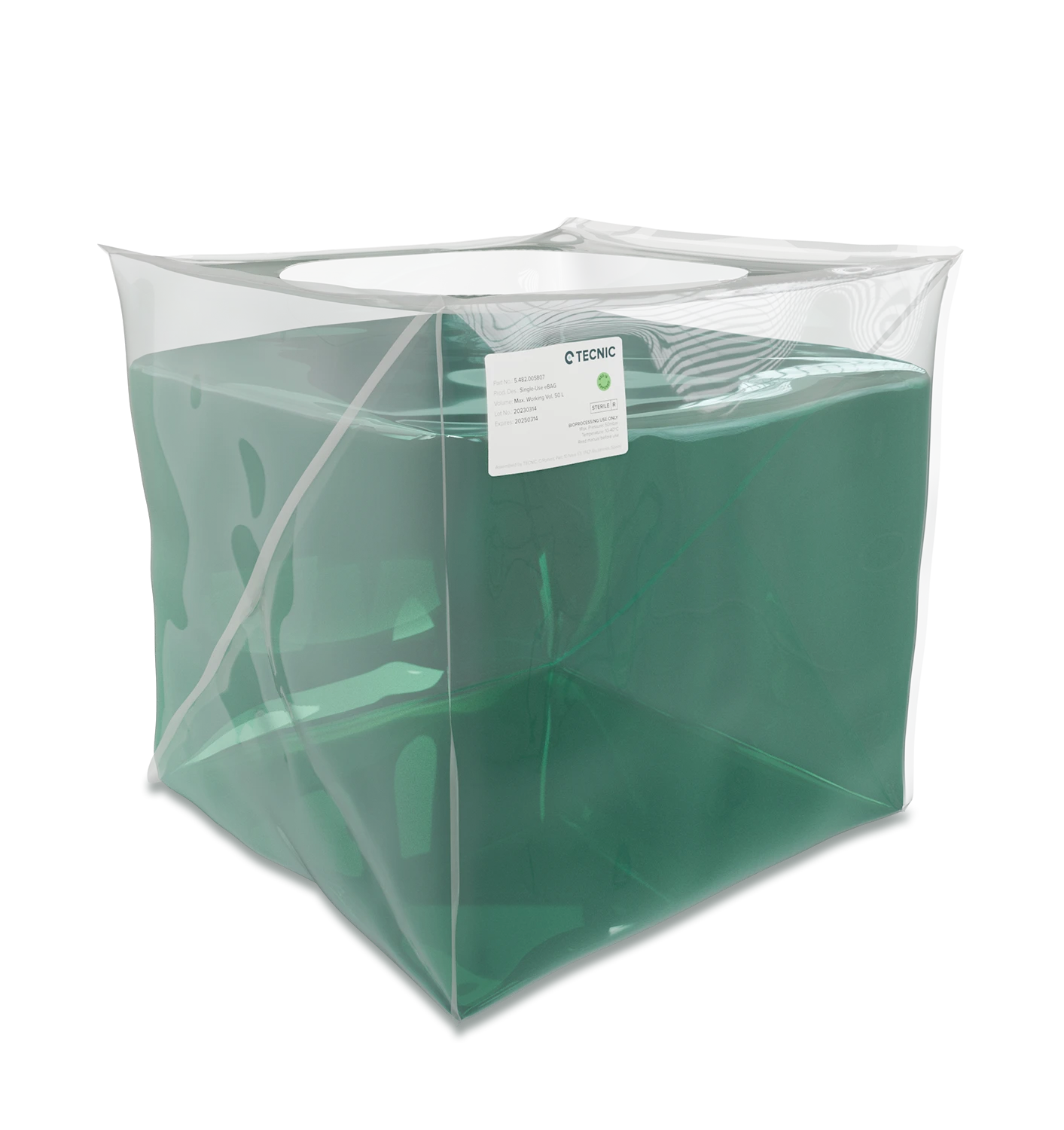
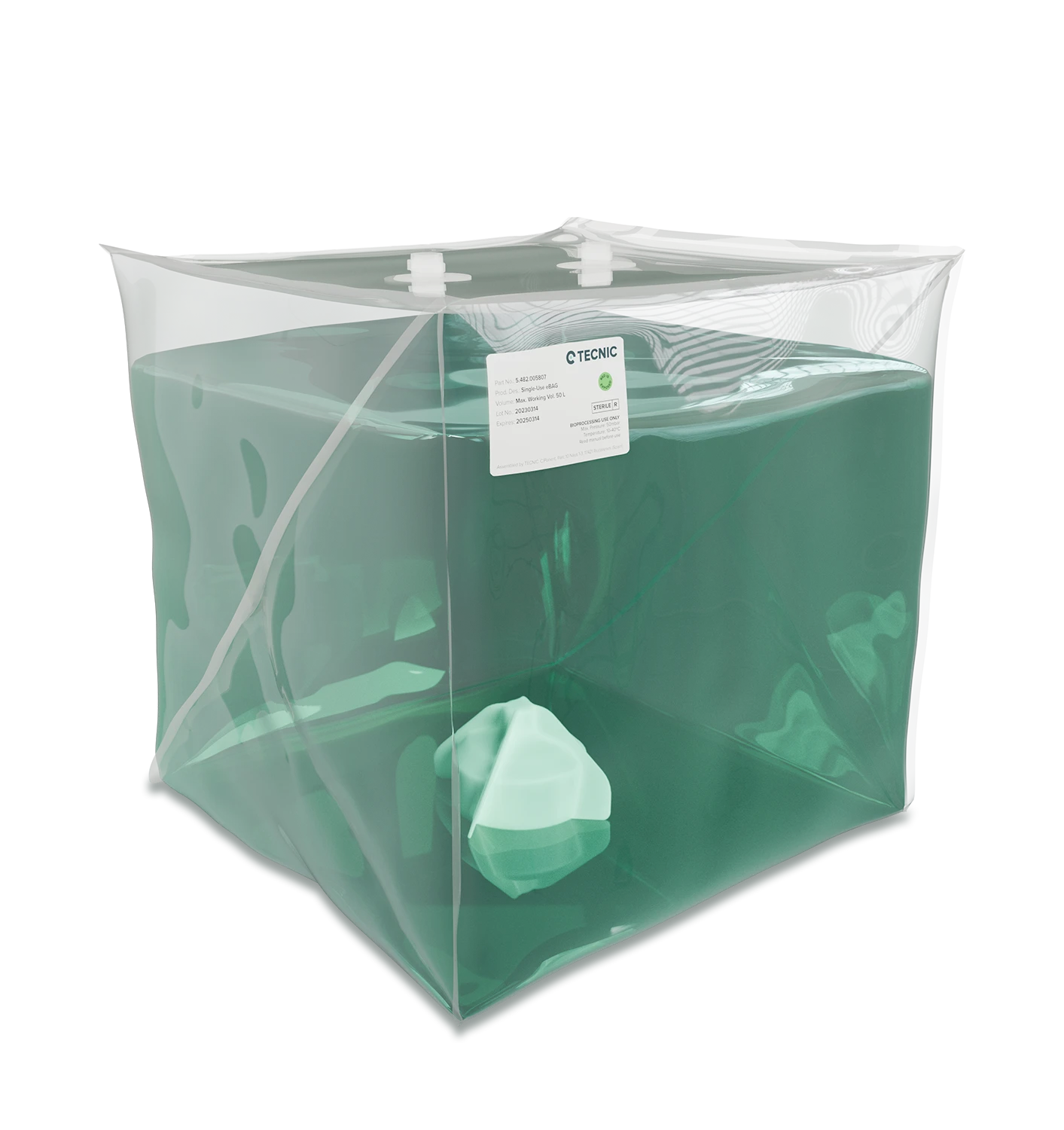
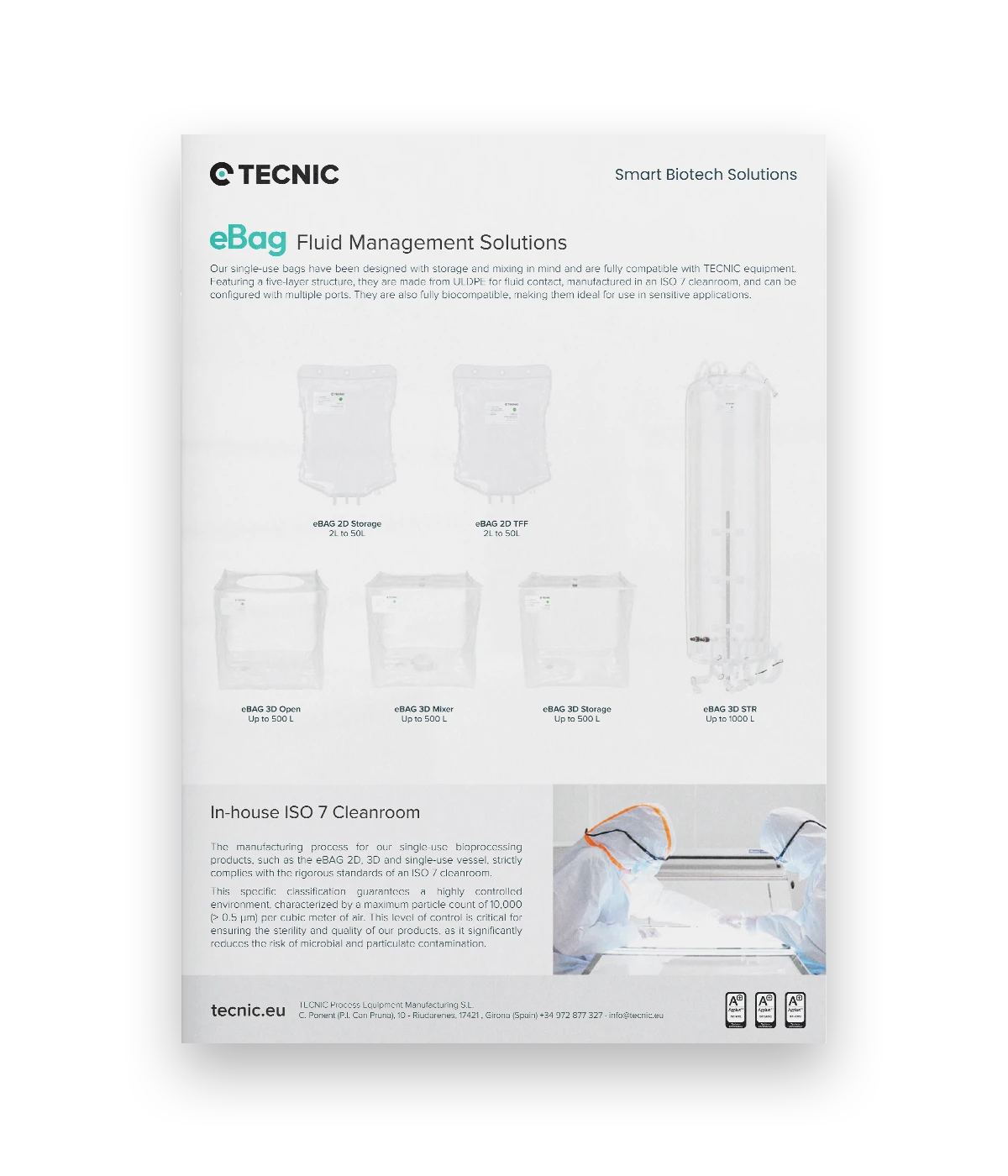
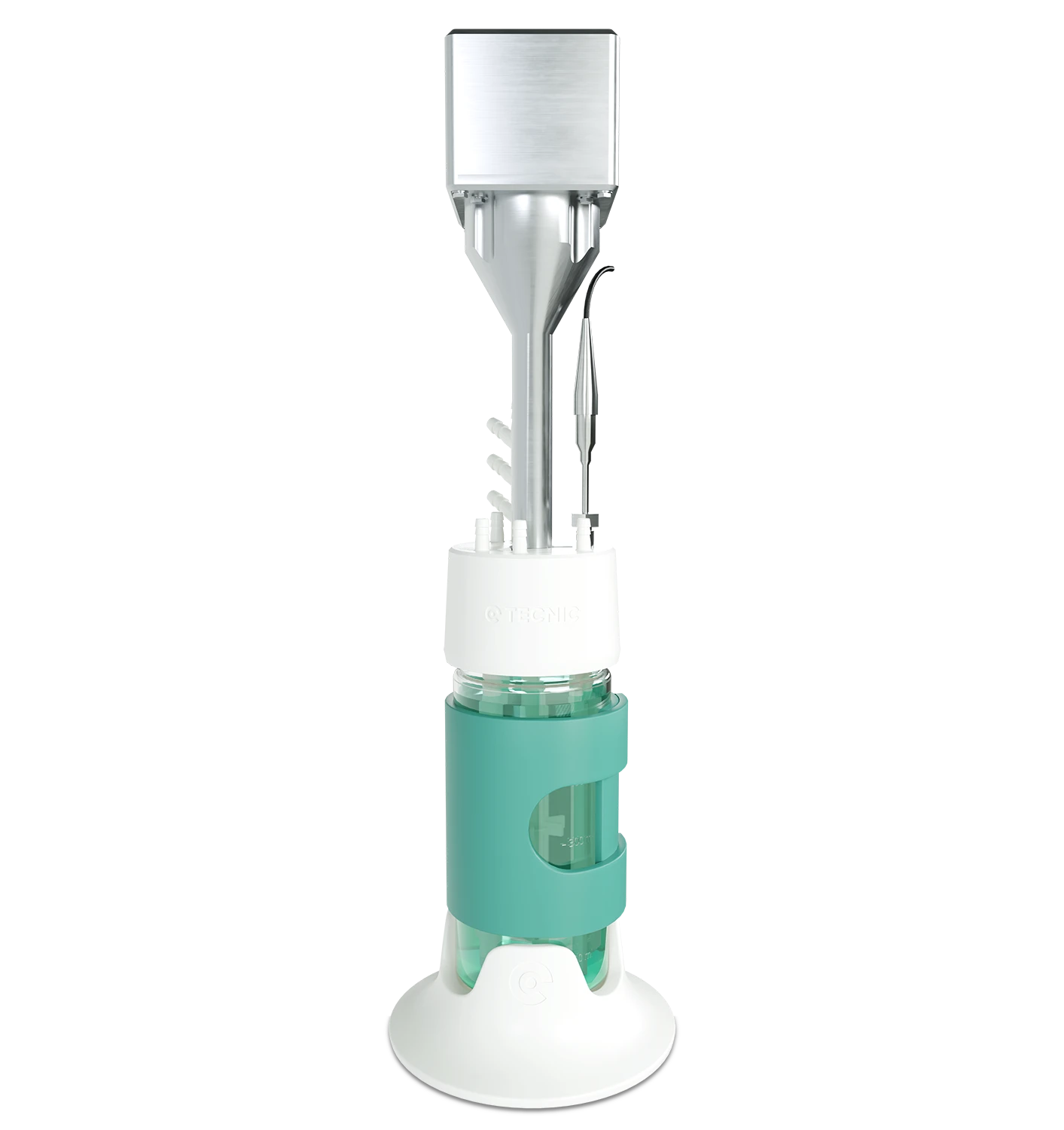
It is easy to focus only on the main equipment, but handling, transfer, storage and vessel choice strongly affect how practical a lab setup really is. Glass reactors, stainless reactors and single-use vessels each solve different needs.
Some help with visibility and observation, others with robustness or single-use sterility logic. The right support components often decide whether the workflow feels smooth or fragmented.
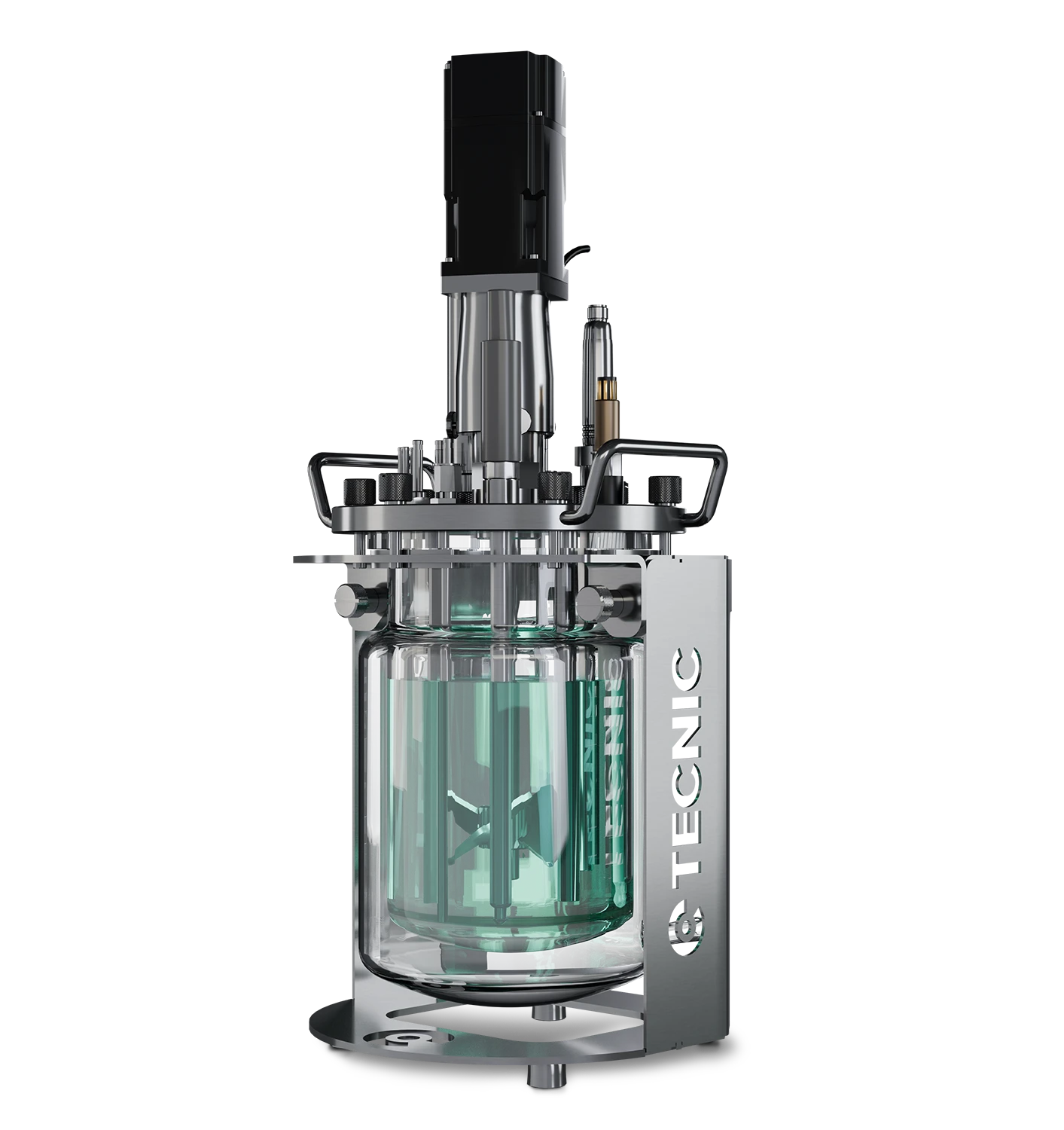
In the lab, the smaller components often decide whether the whole system feels reliable.
How to review a laboratory equipment setup
A useful equipment review should start with the process, not with the catalogue. The question is not only which instruments are available, but whether the full setup supports the actual work being done in the lab.
How TECNIC fits this laboratory workflow
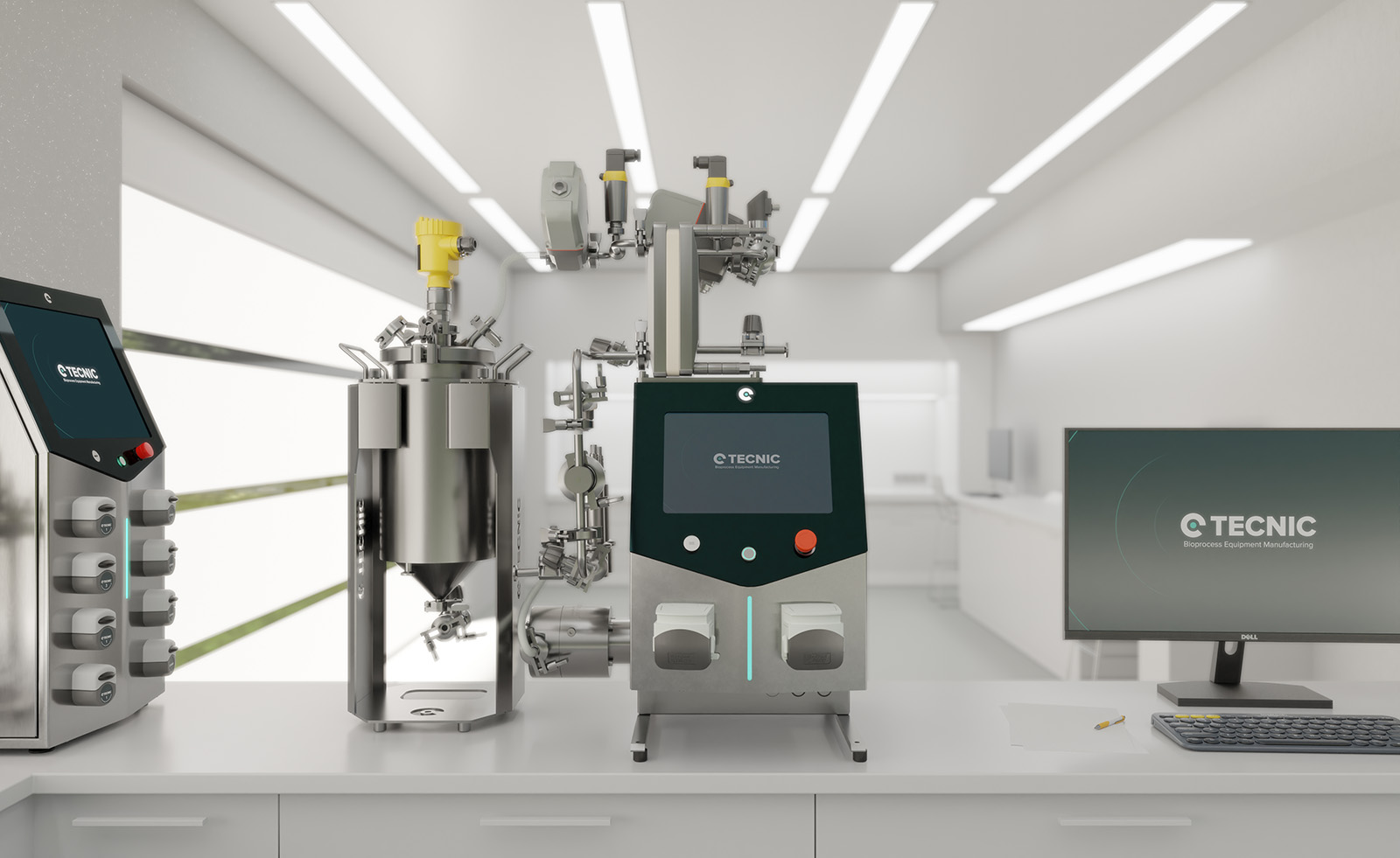
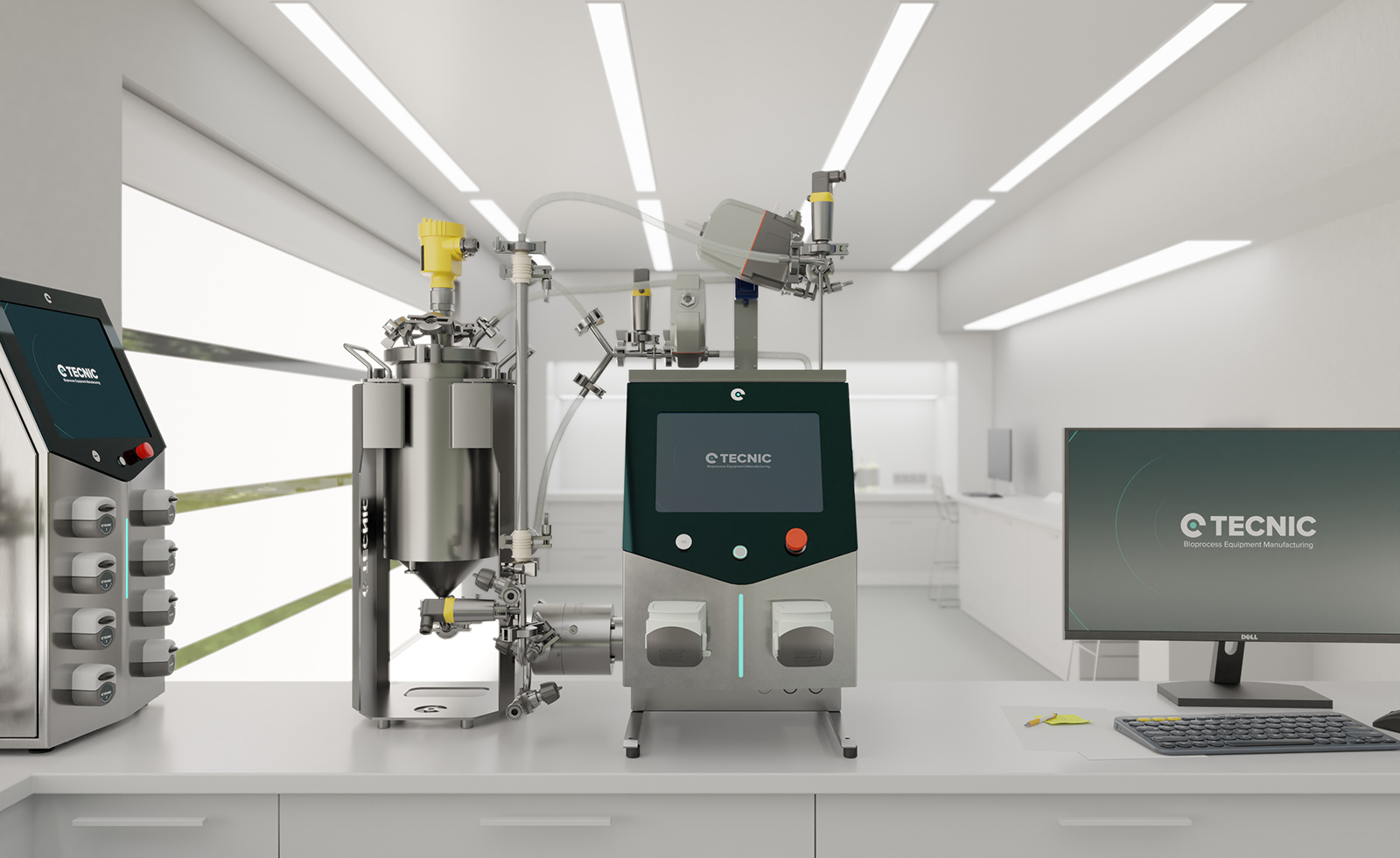
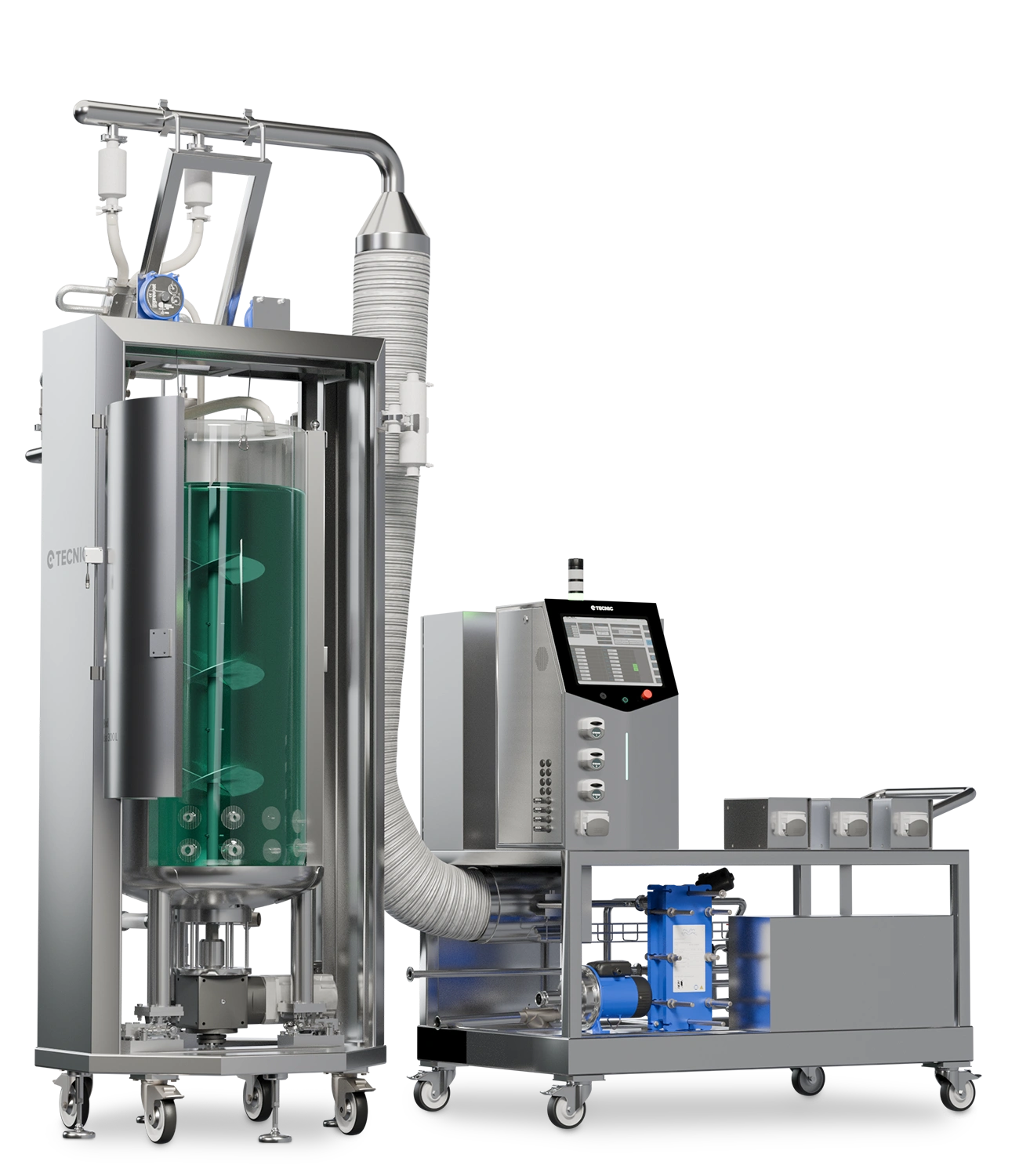
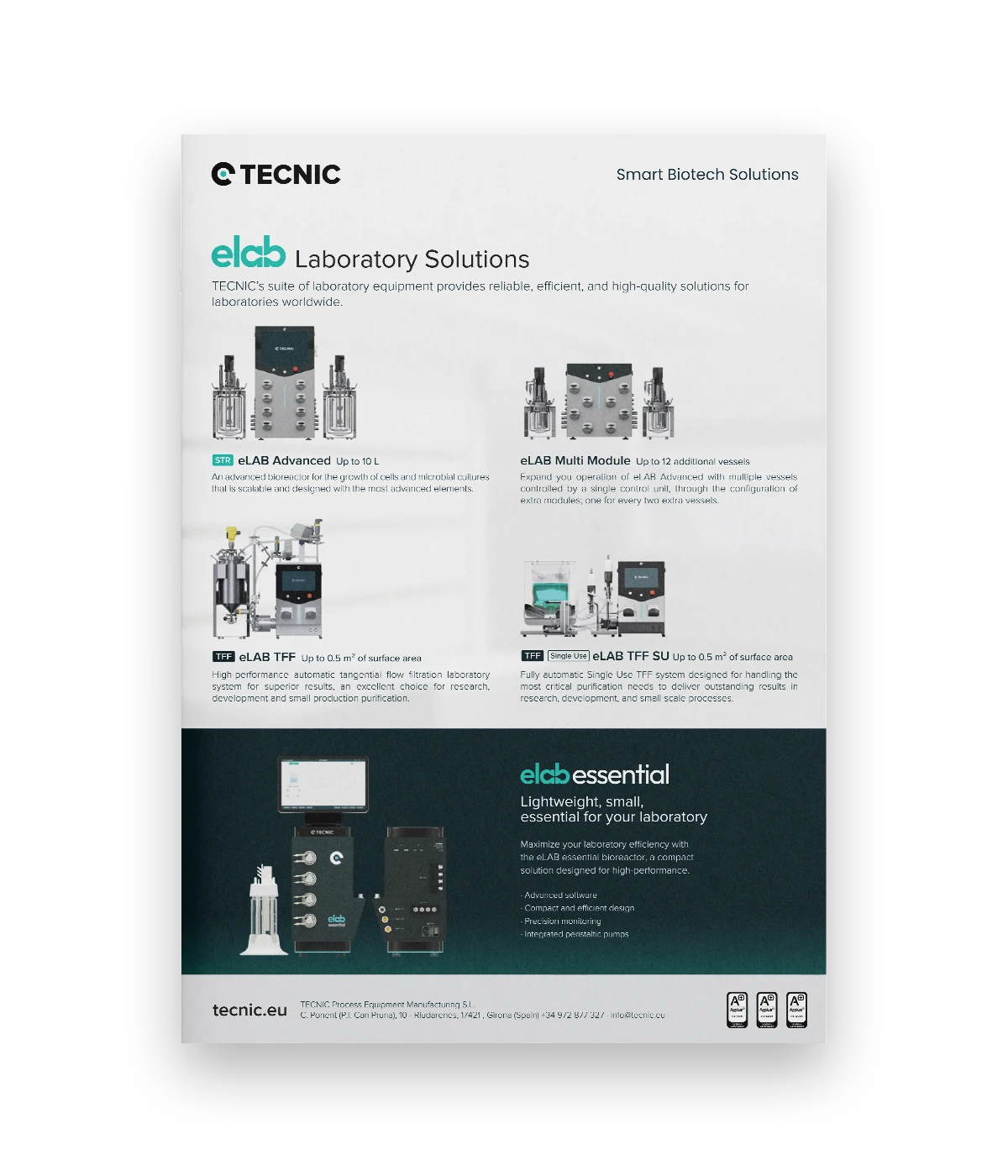
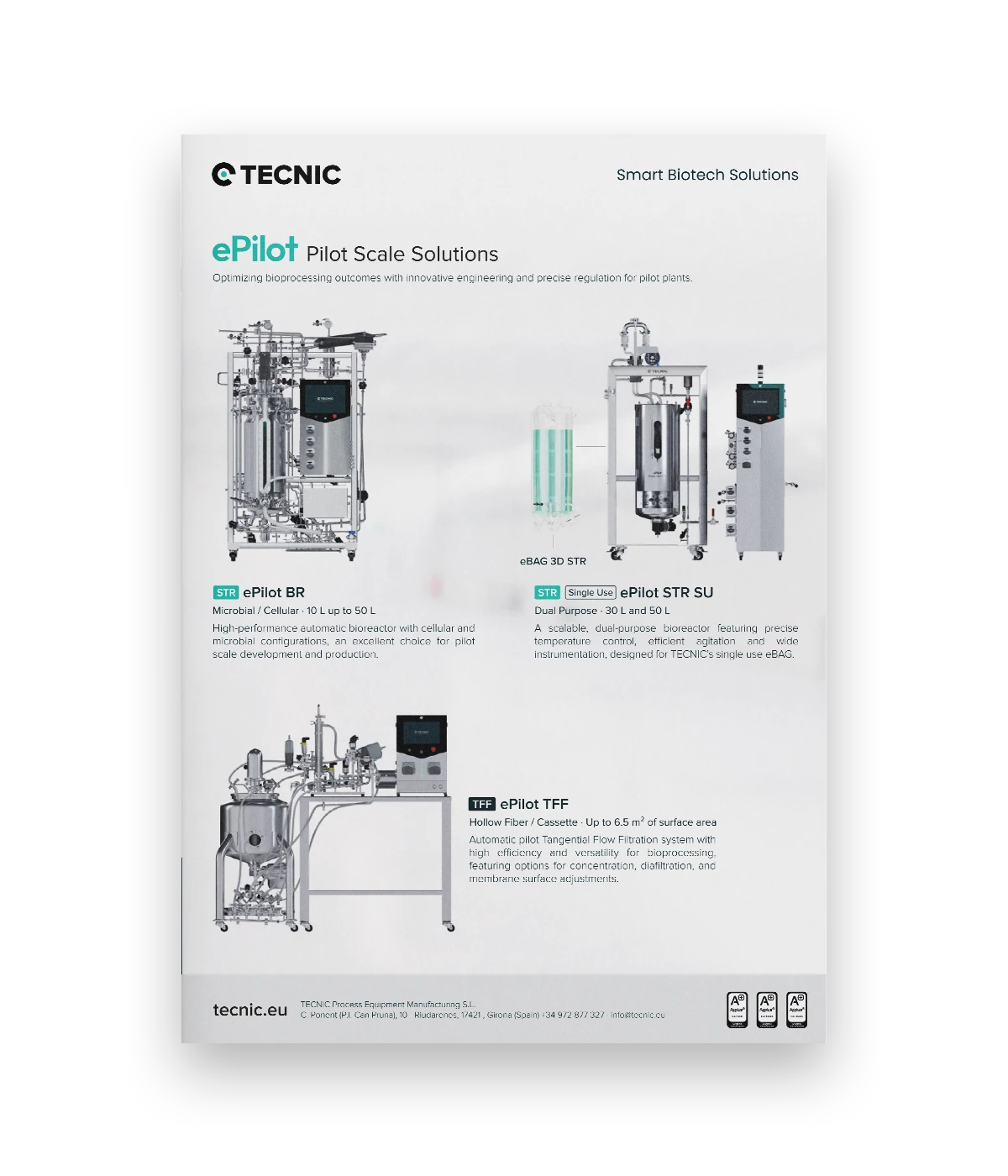
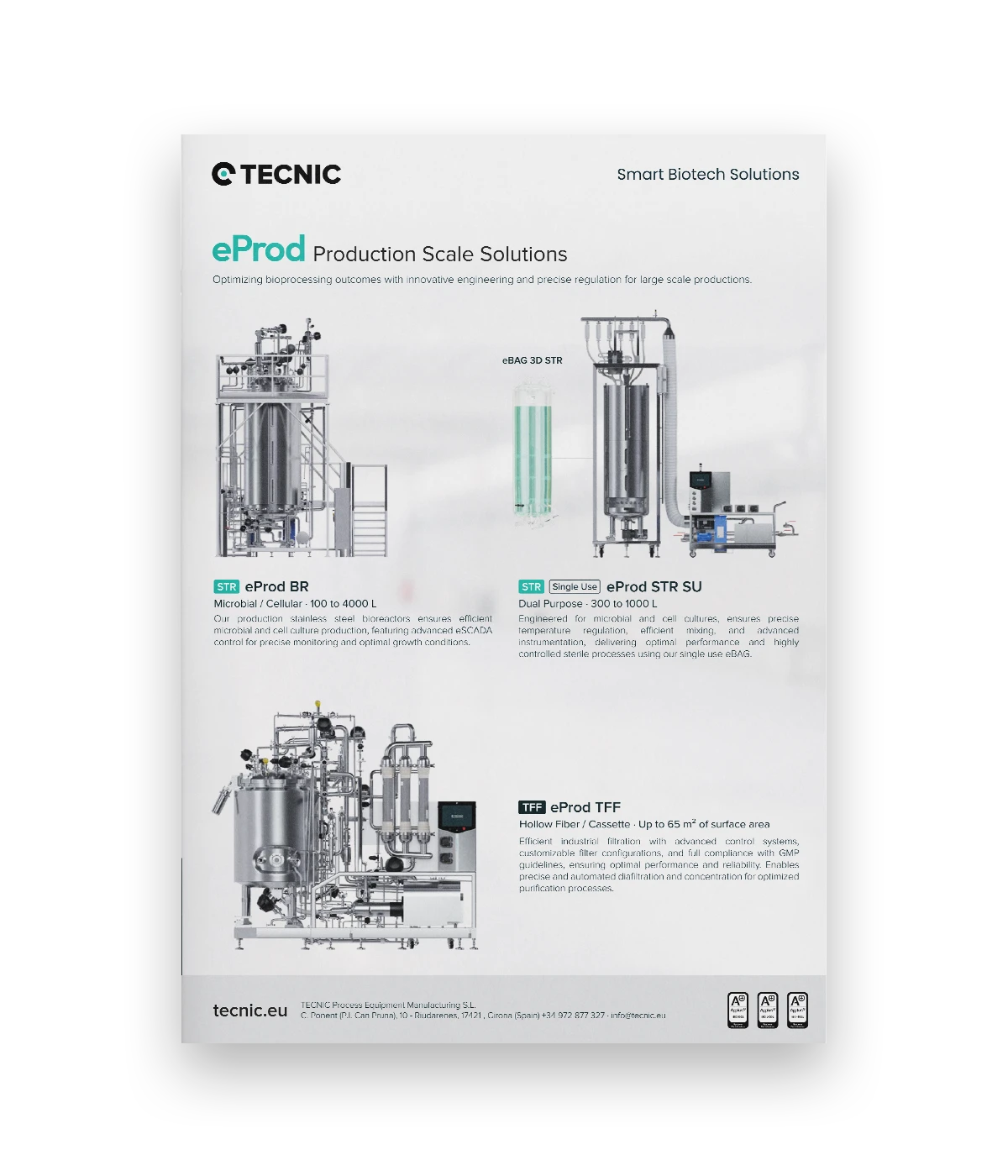
TECNIC’s laboratory portfolio works best when seen as a connected setup rather than as isolated products. Laboratory bioreactors, TFF systems and vessel options together create a more complete path for research and early process work.
eLAB Advanced
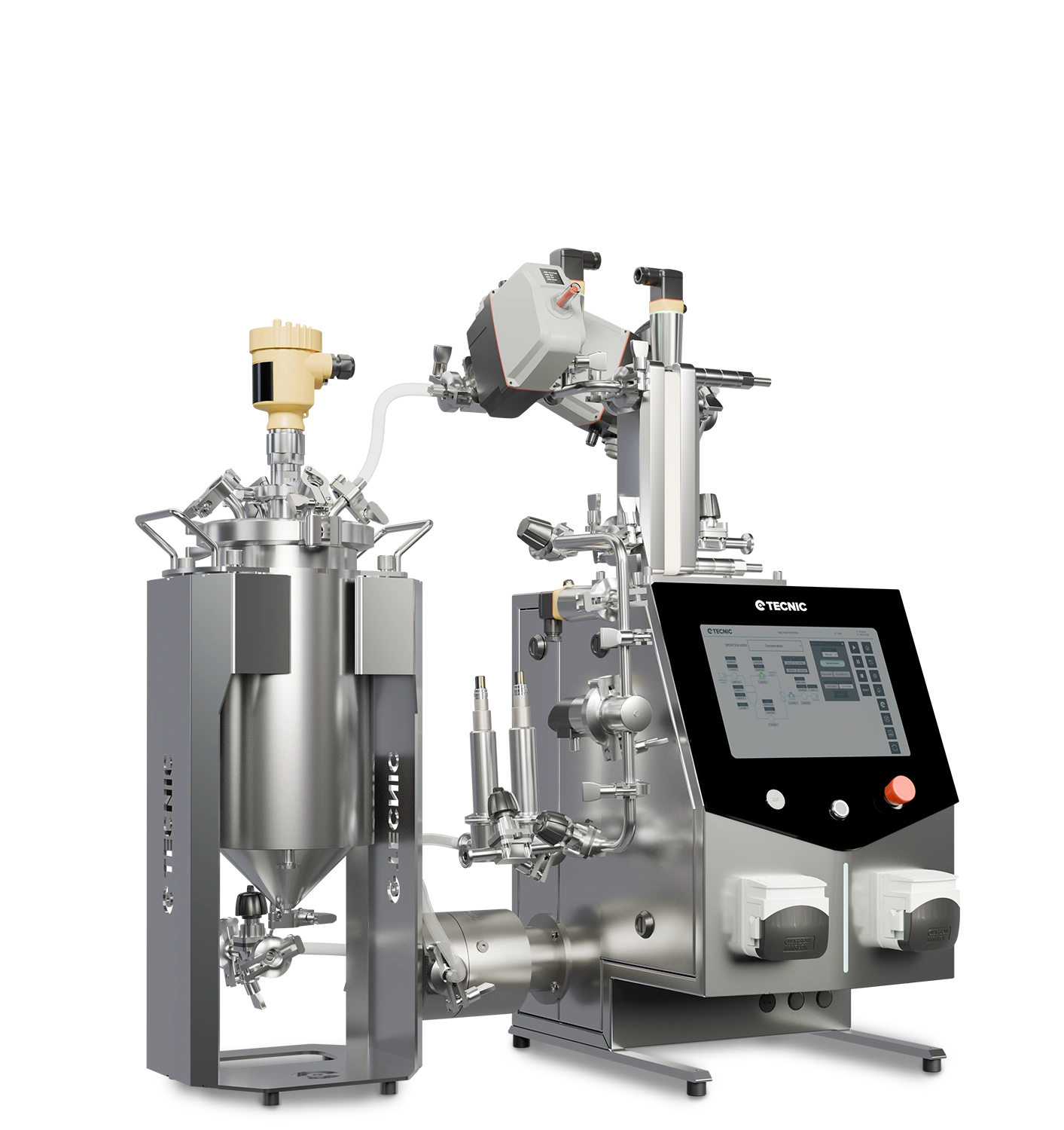
Positioned for advanced biotechnology research in the 1 to 5 L range, giving a stronger laboratory cultivation path.
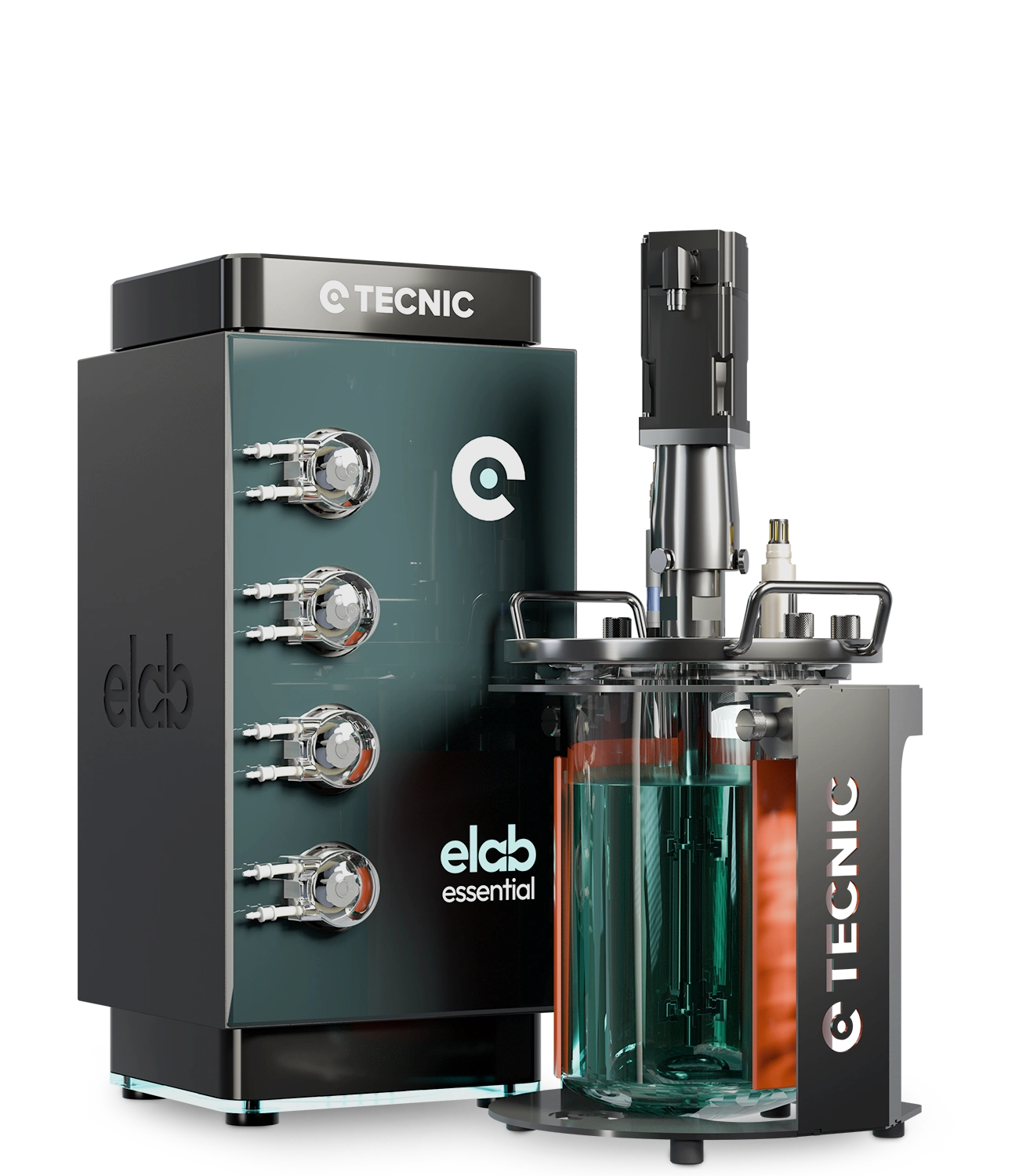
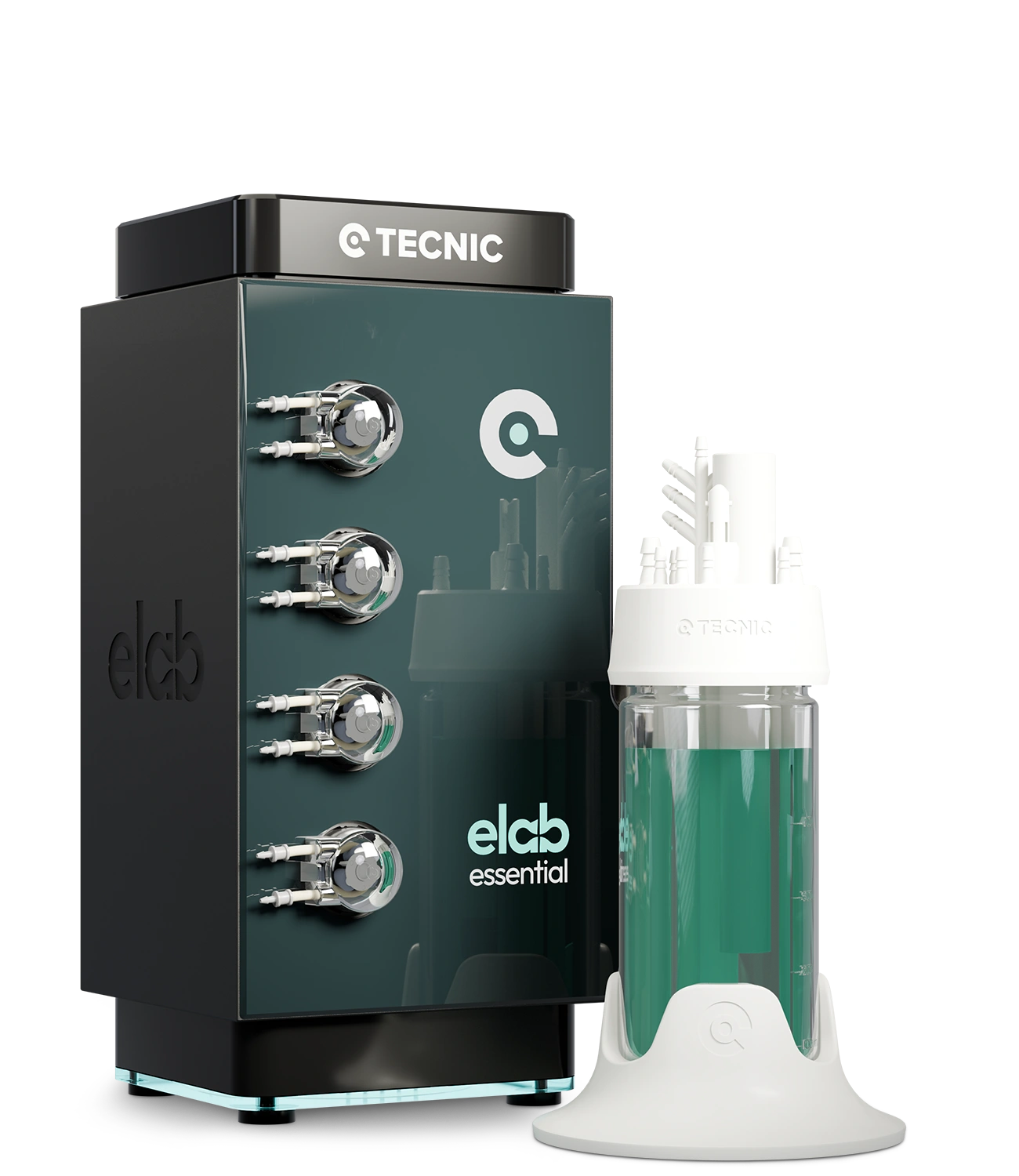
eLAB Essential
A compact lab bioreactor that fits research workflows where space, usability and key parameter control all matter.
eLAB TFF and eLAB TFF SU
These give the laboratory workflow a real purification and concentration route, both in multi-use and single-use logic.
Bioreactor vessels
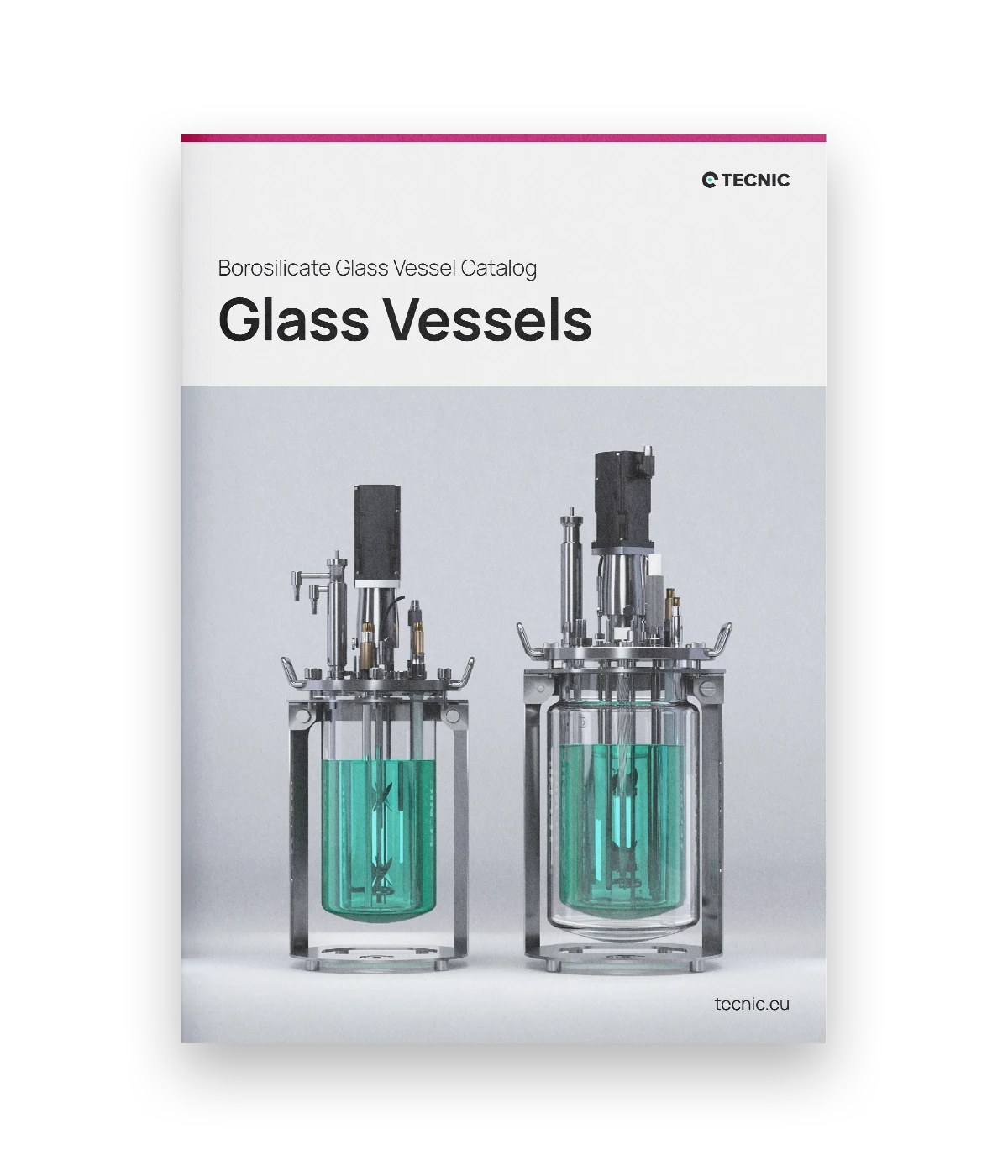
The vessel range completes the picture with glass, stainless and single-use options for laboratory-scale handling and cultivation.
This article works best as a laboratory roadmap. The value appears when the reader sees how each category supports a real research process.
Frequently asked questions
What equipment is most important in a biotech laboratory?
It depends on the workflow, but cultivation, purification and handling equipment usually form the core of a practical bioprocess lab setup.
Why are bioreactors useful in laboratory research?
Because they allow tighter control of culture conditions such as temperature, pH and oxygenation, which improves reproducibility.
Why is TFF relevant at lab scale?
Because concentration and purification are often essential research steps, especially when working with proteins, antibodies or similar biomolecules.
Do vessels and supplies really matter that much?
Yes. They strongly affect handling, storage, observation and the overall efficiency of the workflow.
What makes a lab equipment setup more effective?
A setup becomes more effective when each piece of equipment has a clear process role and the overall workflow feels connected rather than fragmented.
Looking to build a stronger laboratory bioprocess workflow?
Explore TECNIC’s laboratory equipment range or speak with our team to review the right setup for your research path.